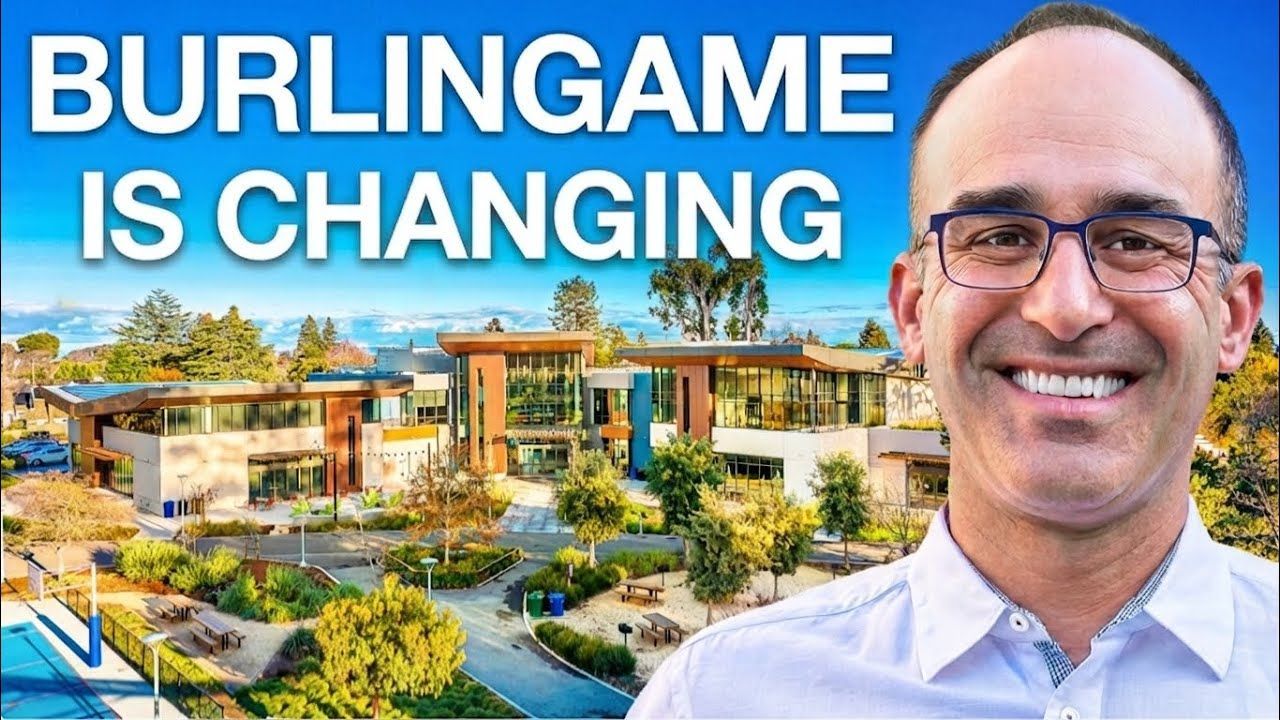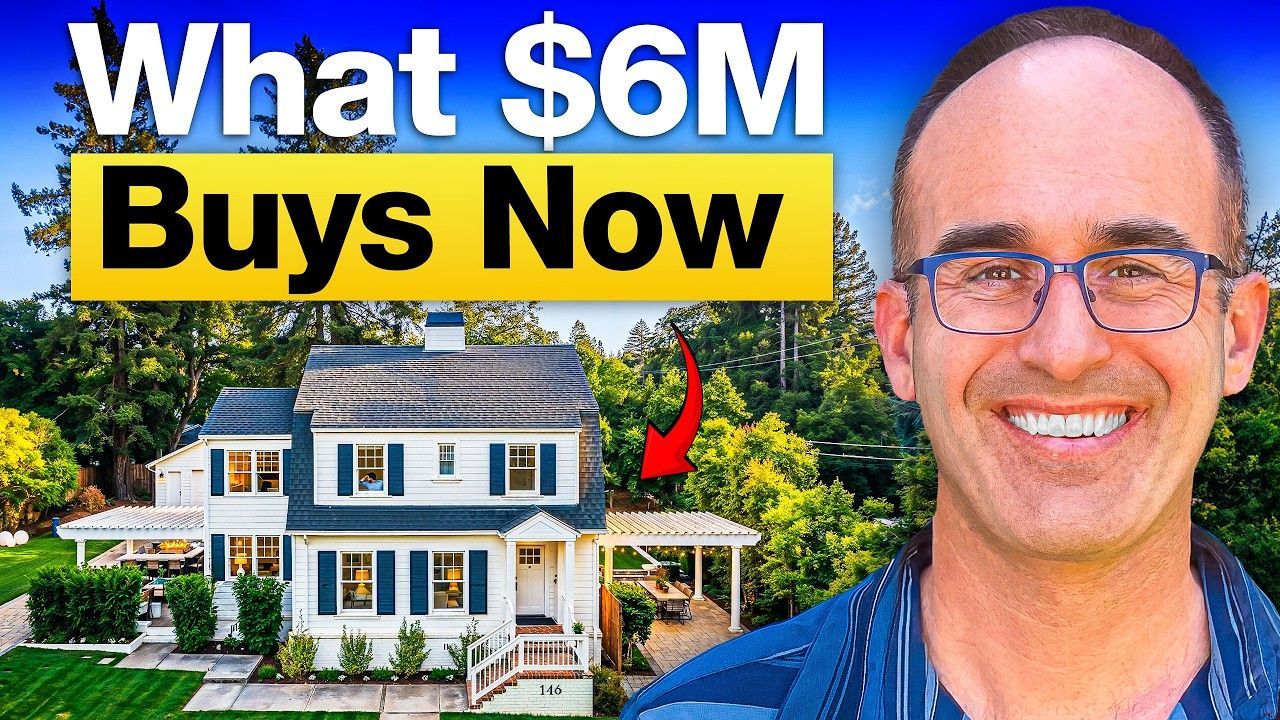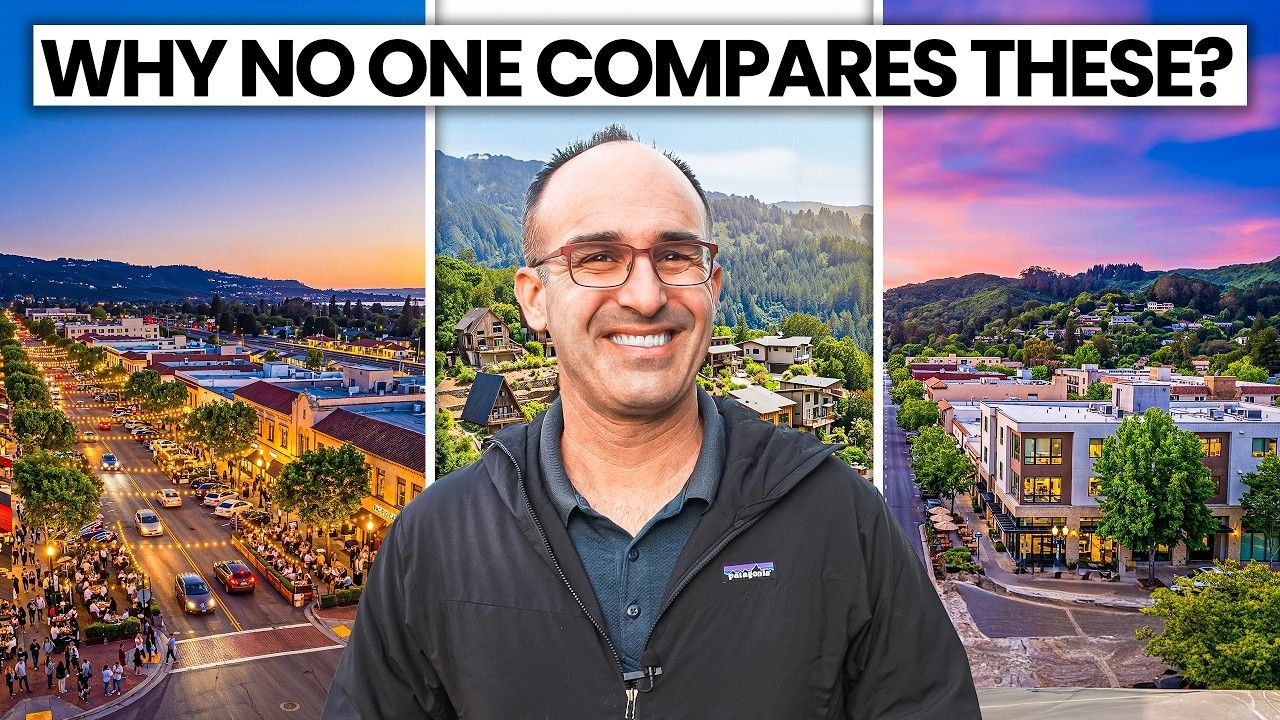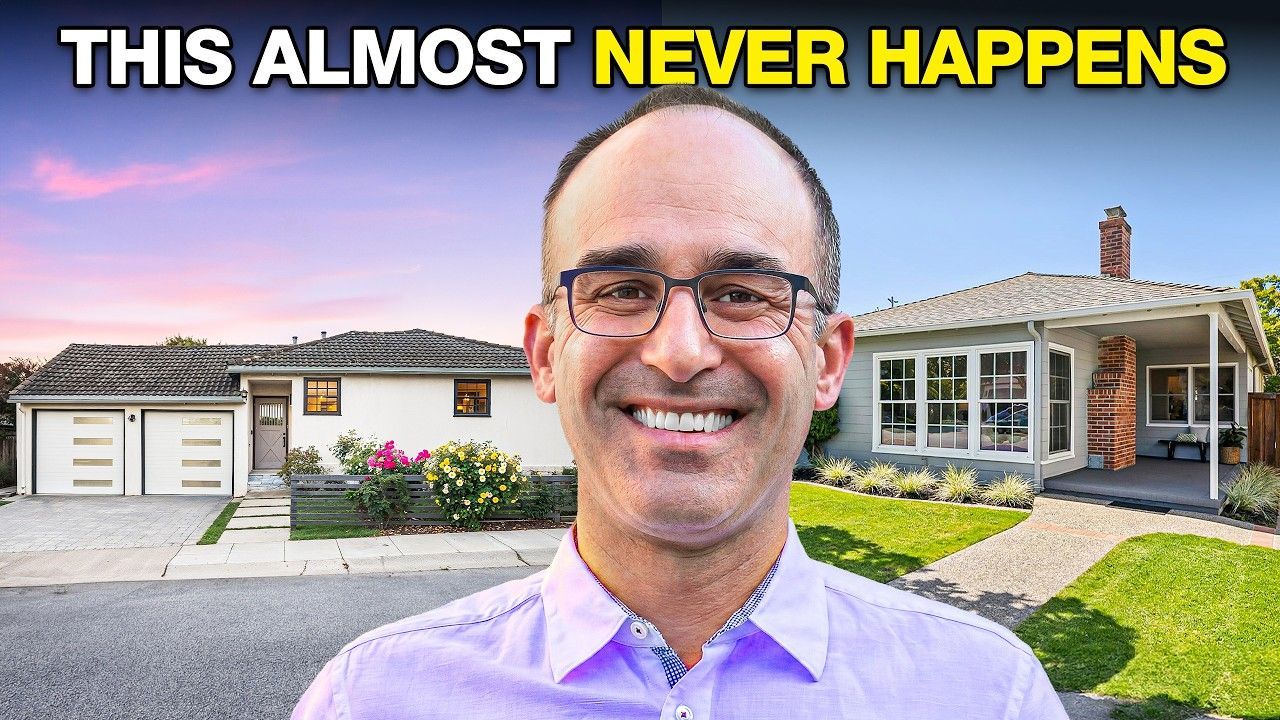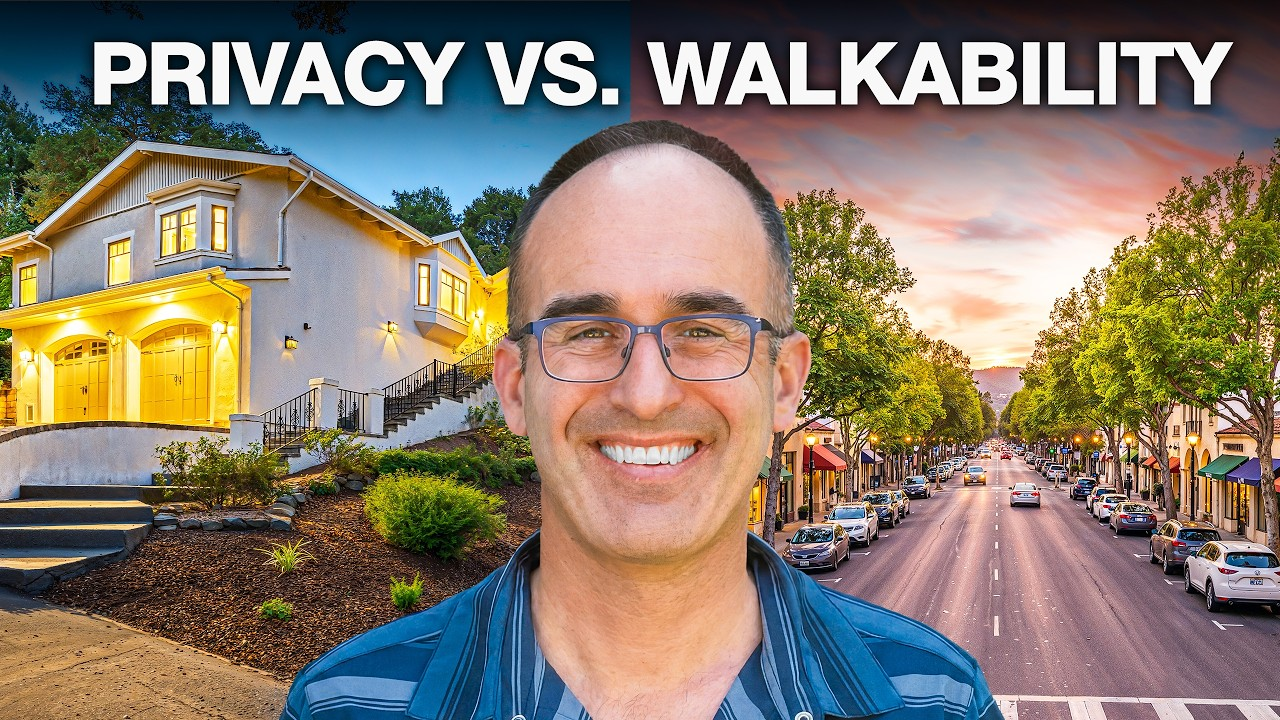

If you are thinking about moving to San Mateo, CA, there is a lot to like here. San Mateo sits in a sweet spot on the Peninsula with easy access to both San Francisco and Silicon Valley, but it is not just about location. What makes this city stand out is the variety. With more than 27 neighborhoods, a lively downtown, great parks, strong schools, and a wide spread of housing options, San Mateo can fit a lot of different lifestyles.
For anyone considering moving to San Mateo, CA, the big question is usually whether the city feels practical, enjoyable, and worth the cost. The short answer is yes, if we value convenience, walkability, community amenities, and a real mix of neighborhoods instead of a one-note suburb.
Table of Contents
- Why People Are Moving to San Mateo, CA
- Living in Downtown San Mateo: Lifestyle, Dining, and Entertainment
- Parks, Trails, and Outdoor Activities in San Mateo, CA
- San Mateo Schools, Libraries, and Community Resources
- Shopping, Dining, and Everyday Convenience in San Mateo
- Cost of Living and Home Prices in San Mateo, CA
- Best Neighborhoods in San Mateo, CA for Homebuyers
- Is Moving to San Mateo, CA Right for You?
- FAQs About Moving to San Mateo, CA
Why People Are Moving to San Mateo, CA
One of the best parts of moving to San Mateo, CA is that we are not choosing a city with just one identity. San Mateo is large enough to offer range, but it still feels manageable. It has around 100,000 people, yet many parts of town still carry a neighborhood feel.
Some areas are flat and highly walkable. Some are leafier and more residential. Some have newer housing and a more urban master-planned feel. Others have older homes with character, larger lots, and mature trees. That variety is a big deal because it means the city works for very different priorities.
We can be close to restaurants and transit, or we can lean toward quieter residential streets. We can target a starter home, a townhouse, or a larger single family property. That flexibility is part of what makes San Mateo one of the most appealing cities on the Peninsula.
Living in Downtown San Mateo: Lifestyle, Dining, and Entertainment
Downtown is the heart of the city, and it is one of the strongest reasons people end up moving to San Mateo, CA. It is compact, easy to navigate, and packed with places to eat and meet up. We can walk from one end of downtown to the other in roughly five minutes, but within that small footprint there is a surprisingly deep dining scene.
There are 171 restaurants, bars, and cafes in the downtown area. That kind of concentration gives the city a sophistication that we do not always get in suburban communities. Breakfast, lunch, dinner, drinks, dessert, coffee, groceries, it is all there.
Some local standouts include longtime favorites for Mexican food like La Cumbre and Pancho Villa. For pizza, Rise has a newer space by the train station with dramatic high ceilings, while Amici is a classic choice with a loyal following. If cookies are our weakness, Antoine's is a standout on the Peninsula.
Even the grocery experience gets elevated here. Draeger's is one of those places that feels more like a food destination than a basic errand. It is upscale, two stories, and known for pastries, desserts, and an enormous wine selection.
If staying active matters, downtown also has strong fitness options, including SoulCycle and Equinox. That mix of food, shopping, and wellness creates a daily rhythm that is genuinely convenient. We are not driving all over the place for every little thing.
Parks, Trails, and Outdoor Activities in San Mateo, CA
San Mateo does a great job balancing urban convenience with access to green space. Right next to downtown, Central Park gives the city an outdoor focal point, and it comes with a hidden gem: the Japanese Tea Garden. Built in the 1960s through community support and still maintained by the city, it is the kind of peaceful place that feels unexpected in the middle of a busy city.
Central Park also hosts some of the city's most memorable community events. In summer, live music nights bring out picnic blankets, wine, dancing, and a relaxed family-friendly crowd. During the holiday season, the baseball infield turns into an outdoor ice rink for San Mateo on Ice, which draws people from around the Peninsula.
Beyond Central Park, there are several outdoor spots worth knowing:
- Beresford Park with an updated playground, skate park, bocce court, softball field, and covered picnic area.
- Paddock Park in Bay Meadows, surrounded by newer development, shops, and restaurants.
- Laurelwood Canyon for a quick escape into nature without a long drive.
- Sawyer Camp Trail near Crystal Springs Reservoir, one of the best walking and biking routes anywhere on the Peninsula.
- Bay Trail and Seal Point Park for bayfront walking, dog-friendly space, and wide open views.
- Coyote Point for the marina, nature center, and family-friendly activities.
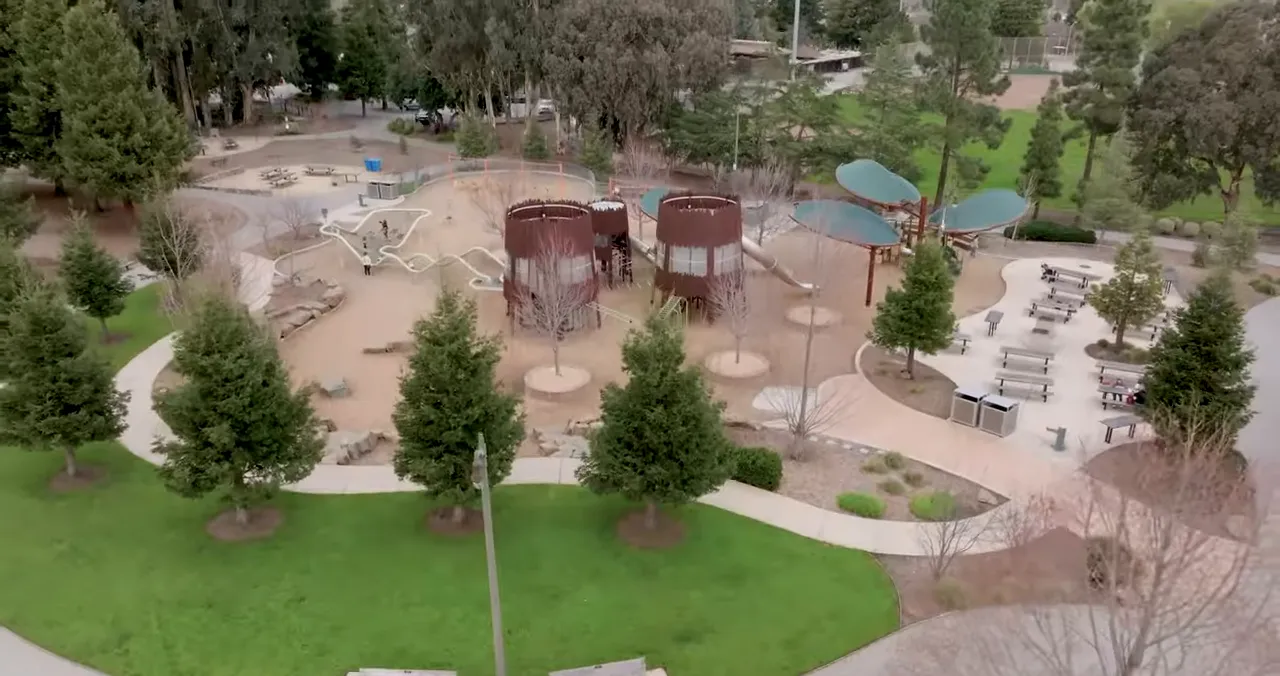
Seal Point is especially interesting because it shows how well-used and well-maintained San Mateo's outdoor areas are. It was once a dump site decades ago, and now it is one of the prettiest places to walk by the water. It is also one of the better windsurfing spots in the Bay Area.
San Mateo Schools, Libraries, and Community Resources
For many families, moving to San Mateo, CA comes down to schools. San Mateo offers a lot of choice. There are 11 public elementary schools, 4 public middle schools, and 3 public high schools.
The three public high schools are Hillsdale High School, San Mateo High School, and Aragon High School. These campuses feel substantial, with large athletic fields and facilities that have benefited from major investment over time.
There are also several respected private school options, including St. Matthew's, Episcopal Day School, The Carey School, and Nueva.
The library system is another underrated strength. The main San Mateo Public Library underwent a major renovation that preserved a redwood grove and built around it, which says a lot about the city's priorities. There are also two branch libraries, so access is easy in different parts of town.
And then there is the arts scene. The San Mateo Performing Arts Center, on the San Mateo High School campus, is the largest theater between San Francisco and San Jose. It serves both local school programs and broader regional events, including a speaker series that has hosted major national and global figures.
Shopping, Dining, and Everyday Convenience in San Mateo
San Mateo can feel small-town in the neighborhoods, but it also has big-city convenience when we want it. Hillsdale Shopping Center is a great example. With more than 120 stores, a large renovation in recent years, and a central location near Hillsdale Boulevard and El Camino Real, it functions as a major retail hub for the broader area.
It is not just anchor stores like Nordstrom and Macy's. There is also Apple, Lululemon, dining, bowling at Pinstripes, and a luxury movie theater with food service at your seat. That kind of amenity mix helps explain why moving to San Mateo, CA appeals to people who want suburban comfort without feeling cut off from things to do.
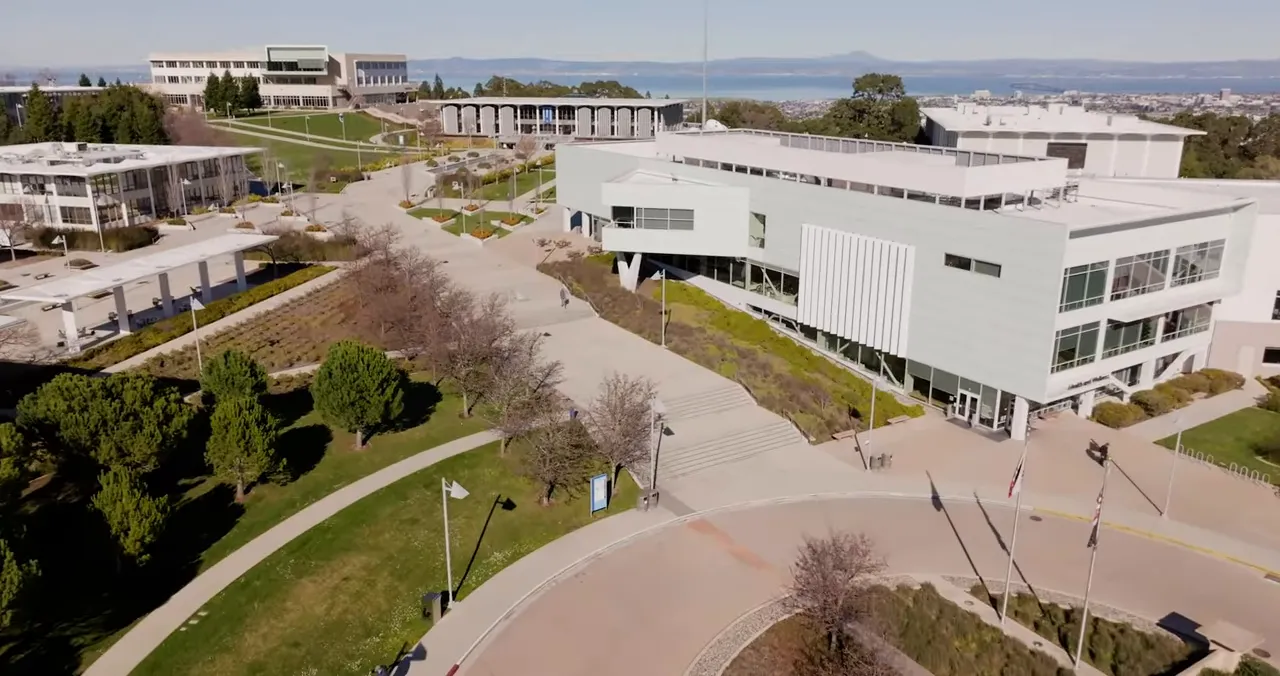
San Mateo also benefits from College of San Mateo. The campus is beautiful, enrollment is substantial, and the Saturday farmers market is one of the biggest and best on the Peninsula. The college's athletic center is another plus, with a pool and reasonable membership fees.
Cost of Living and Home Prices in San Mateo, CA
Cost matters, especially when we are talking about moving to San Mateo, CA. San Mateo is expensive, but it also offers more pricing variety than many neighboring Peninsula cities.
Recent examples shared for the market break down like this:
- Starter homes: roughly $1.1 million to $1.5 million in more affordable areas such as Shoreview and Parkside.
- Townhomes: about $1.3 million to $1.7 million depending on size, location, and age.
- Larger high-end homes: around $5 million to $8 million in San Mateo Park, with some even higher.
The median home price mentioned was $1.8 million, based on 425 home sales over the year referenced. That is a high number, but inventory is often limited, and buyers do not usually have endless options. In a market like this, when the right house appears, it tends to matter.
Price differences across San Mateo often come down to a few factors:
- Walkability
- Flat versus hilly terrain
- Tree density and overall neighborhood feel
- Lot size
- Proximity to downtown and parks
Flat, walkable neighborhoods usually command a premium. Hillier neighborhoods can sometimes offer lower price per square foot and a little more land. It is not that one is better than the other. It is really about what lifestyle we value most.
Best Neighborhoods in San Mateo, CA for Homebuyers
1. Baywood and the surrounding area
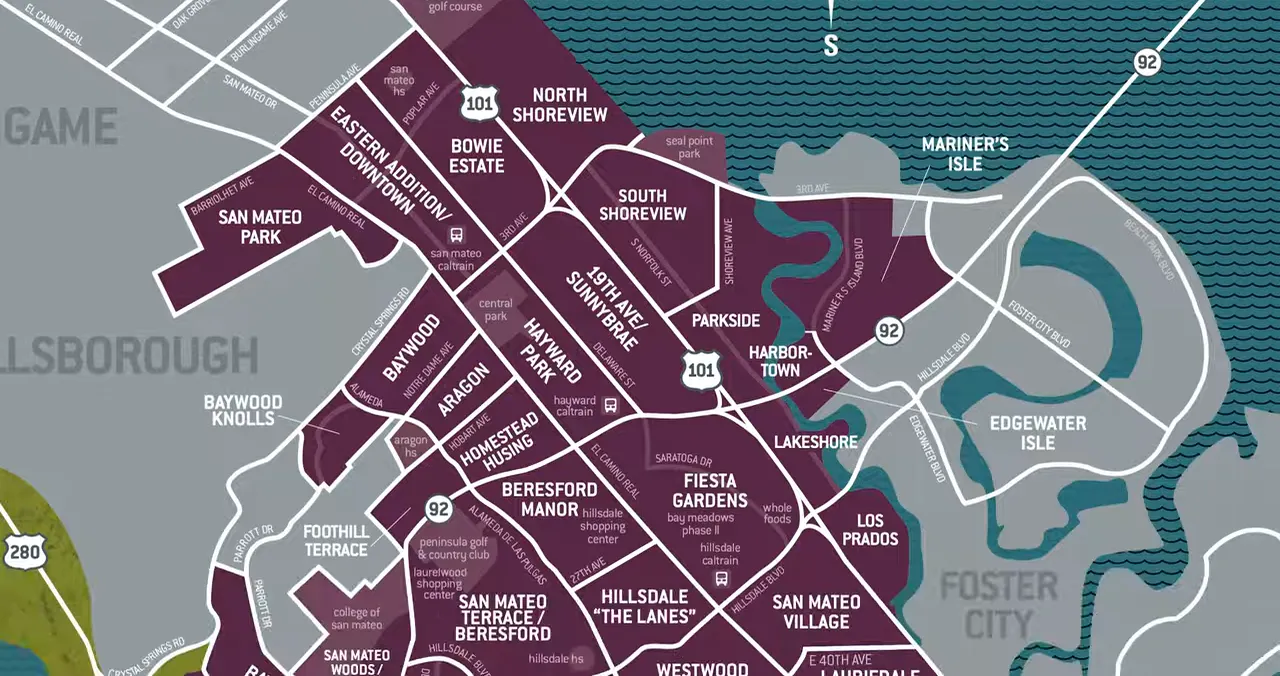
The broader Baywood area includes Baywood, Aragon, Homestead Husing, Foothill Terrace, and Baywood Knolls. This part of town sits west of downtown and west of El Camino, with a flat and highly walkable feel in many sections.
Baywood itself tends to be the priciest within this cluster because it is closest to downtown. Lot sizes are often a bit larger than the city norm, and the area has excellent tree coverage and architectural variety. The school path of Baywood Elementary, Borel Middle, and Aragon High is a real draw, especially because all three can be walkable from parts of the neighborhood.
In terms of pricing, homes in this area can begin in the high $1 million range for smaller properties, though most homes here are three or four bedrooms.
2. San Mateo Park
San Mateo Park is one of the Peninsula's classic high-end neighborhoods. Wide streets, older homes with character, larger lots, and a spacious feel all define the area. This is one of those neighborhoods people bring up when comparing the upper end of Burlingame with entry points into Hillsborough.
Lot sizes often run around 7,000 to 10,000 square feet, with some much larger. Pricing is typically around $3 million to $5 million, with many homes trading in the $6 million to $7 million range and some far beyond that.
3. Beresford Park and San Mateo Terrace
These neighborhoods sit south of Highway 92 and west of El Camino, roughly around Alameda de las Pulgas and north of Hillsdale Boulevard. They are popular because they hit a lot of the right notes: flat streets, good walkability, strong neighborhood feel, and solid tree coverage.
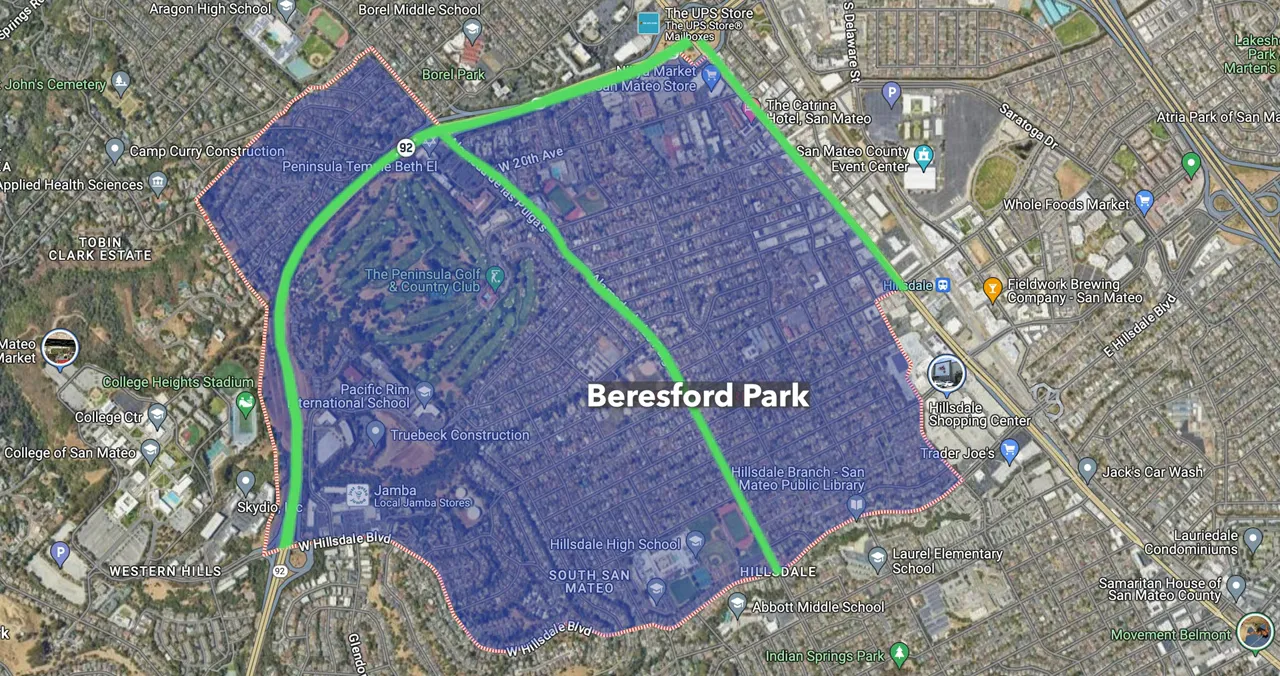
Beresford Park itself is a major amenity, and the recreation center nearby adds to the appeal. Prices range from the high $1 million level into the low $3 million level. A smaller two-bedroom may come in at the lower end, while a nice three-bedroom often lands in the low to mid $2 million range depending on lot and location details.
4. Shoreview and Parkside
If affordability is the main concern, this is the area that frequently rises to the top. Shoreview and Parkside are generally the most affordable single family neighborhoods in the city, relative to San Mateo pricing overall.
This part of town is east of 101, south of Coyote Point, and just north of Highway 92, with the bay to the east. It is flat, easy to get around, and especially appealing for quick access to the Bay Trail.
Single family homes are often around $1 million to $1.7 million, with many falling into the $1.2 million to $1.5 million range.
5. Bay Meadows
Bay Meadows is one of the most distinct parts of San Mateo because it is a large-scale redevelopment of the old racetrack site. It has a more modern, urban, master-planned feel than most of the city.
The neighborhood includes restaurants, coffee shops, apartments, townhomes, single family homes, and corporate office space. There is Whole Foods in Phase 1, and Phase 2 includes a strong lineup of places like Blue Bottle Coffee, Roam Artisan Burgers, and Humphry Slocombe.
There are 11 residential communities here. Townhomes start around $1.5 million, and the relatively limited number of larger single family homes can reach about $3 million. Floor plans are one of the main selling points. Many units have attached garages and modern layouts, though they are often more vertical than traditional homes elsewhere in the city.
The tradeoff is that property taxes here run a bit higher. Still, for buyers who want newer construction in San Mateo County and a walkable urban feel, Bay Meadows checks a lot of boxes.
Is Moving to San Mateo, CA Right for You?
For many people, moving to San Mateo, CA makes sense because the city combines convenience and variety better than almost anywhere else on the Peninsula.
We get:
- Access to both San Francisco and Silicon Valley
- A true downtown with a deep restaurant scene
- Parks, trails, and waterfront recreation
- Strong public and private school options
- Major shopping and entertainment
- A wide range of neighborhoods and price points
The biggest challenge is cost. San Mateo is not a budget market. But compared with some nearby cities, there is more flexibility in what our money can buy. That makes moving to San Mateo, CA especially appealing for people who want Peninsula access without being locked into just one type of housing stock or neighborhood experience.
If we want a city that feels established, livable, and full of options, San Mateo deserves a very close look.
Thinking about moving to San Mateo, CA? Whether you're exploring neighborhoods, comparing home prices, or trying to find the right fit for your lifestyle, having local guidance can make all the difference. Schedule a consultation to discuss your goals, or email hello@burlingameproperties.com to get personalized advice and answers to your questions.
FAQs About Moving to San Mateo, CA
Is San Mateo a good place for commuters?
Yes. One of the main advantages of moving to San Mateo, CA is its location between San Francisco and Silicon Valley. That central position is a big reason the city appeals to so many Peninsula buyers.
Is downtown San Mateo actually walkable?
Very much so. Downtown is compact, easy to cross on foot, and filled with restaurants, bars, cafes, groceries, and fitness options. It is one of the city's strongest lifestyle features.
What is the most affordable area for buying a single family home?
Shoreview and Parkside are typically the most affordable single family home neighborhoods in San Mateo, with many homes falling around the low $1 million to mid $1 million range depending on condition and size.
Which San Mateo neighborhood feels the most upscale?
San Mateo Park is one of the most upscale and prestigious neighborhoods in the city. It is known for larger lots, mature landscaping, and homes with significant character.
Are there good newer housing options in San Mateo?
Yes. Bay Meadows is the standout area for newer construction, especially for townhomes and contemporary single family homes with attached garages and modern floor plans.
Does San Mateo have good outdoor spaces?
Yes. Central Park, the Japanese Tea Garden, Beresford Park, Laurelwood, Sawyer Camp Trail, Seal Point, the Bay Trail, and Coyote Point all add a lot to daily life in San Mateo.
Read More: San Mateo vs San Carlos vs Belmont: Three Peninsula Cities That Look Similar on Paper but Feel Completely Different