
Table of Contents
- Why We Left San Francisco (And Why Burlingame Pulled Us In)
- City Life vs. Suburban Life: What Actually Changed
- My Personal History and Why Community Mattered More Than I Expected
- Buying Our First Home in Burlingame: What the Process Was Really Like
- Walkability in Burlingame
- Safety in Burlingame
- Burlingame Weather and Microclimates
- Libraries, Culture, and Civic Life in Burlingame
- Raising a Family in Burlingame: Schools, Activities, and Quality of Life
- Local Economy and City Services: Why the City Just Works
- Why Burlingame Works for Every Stage of Life (Yes, Even Multi-Generational Living)
- The Downsides of Living in Burlingame (Real Talk)
- Final Thoughts
- FAQs About Living in Burlingame
Why We Left San Francisco (And Why Burlingame Pulled Us In)
Living in Burlingame changed my life in ways I didn't expect. I moved about 20 miles south of San Francisco and almost immediately noticed the small, practical comforts that add up: reliable parking (yes, sometimes a garage with a tennis ball does matter), sun on most days instead of endless fog, quieter nights that actually feel restorative, and tree-lined streets that invite evening walks. Beyond the physical shifts, the social ones were the most surprising—this is a place where neighbors bring pies to new homeowners, drop off meals for new parents, organize block parties, and genuinely look out for one another; when our package was stolen the police were at our door in minutes and a tip led to an arrest within days. Burlingame manages to keep many city conveniences—two walkable downtowns, solid restaurants, easy transit options—while offering parks, yards, and a slower pace that make day-to-day life feel more manageable. There are tradeoffs (housing is competitive and the nightlife is quieter), but for anyone prioritizing predictable weather, community ties, good schools, and outdoor life, Living in Burlingame may be the best move you can make. If you're weighing city energy against suburban calm, here's an honest, detail-rich look at why so many of us chose Burlingame and rarely look back.
City Life vs. Suburban Life: What Actually Changed
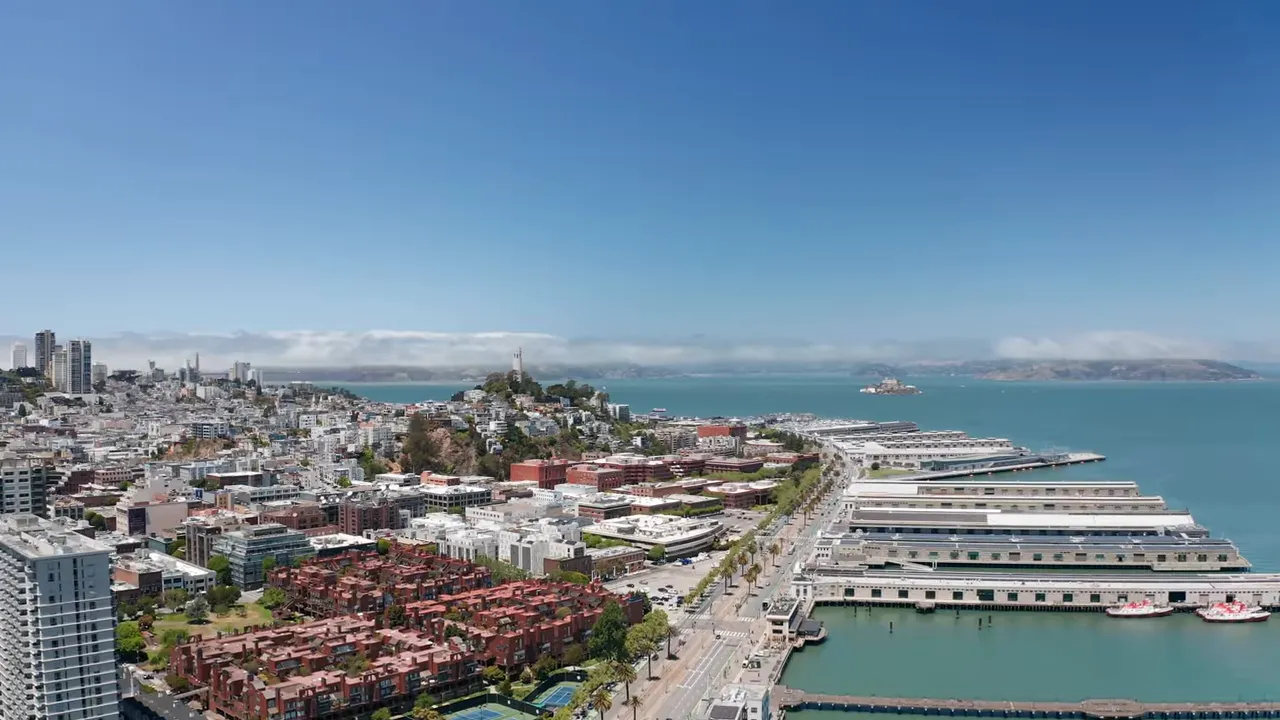
I loved city life. The energy, the food, the walkability—San Francisco has a magic that is hard to match. I spent my twenties in North Beach and then in Noe Valley near Dolores Park. Those years were full of late-night dinners, spontaneous walks to the Ferry Building, and the ease of hopping on transit for a Giants game.
But living in the city also comes with constant compromises: hunting for parking for 5 to 15 minutes after a long day, hearing horns and motorcycle revs at odd hours, and a climate that can be foggy more often than I wanted. When my priorities shifted—wanting a yard, more predictable weather, and a quieter place to raise a family—I started exploring what life would be like a little south. That search led to Living in Burlingame.
My Personal History and Why Community Mattered More Than I Expected
One unexpected thread in this move was how deep my connection to the town already ran. At 16 I did my Eagle Scout project in Burlingame, surveying historic homes and creating a booklet to raise awareness about preservation. Years later, after moving into our first house in Burlingame, a neighbor showed up with pies on our porch—turns out she had advised me on that very project as part of the historical society.
That coincidence felt like a sign. Community here is not just a marketing line; it is real and multi-generational. When I asked my partner early on whether she would be open to Living in Burlingame for the rest of our lives, her laugh-and-then-there-could-be-worse-places answer set the course for our future.
Buying Our First Home in Burlingame: What the Process Was Really Like
Our home-buying story is probably familiar to many: a tight budget, fierce competition, and a willingness to prioritize location over immediate perfection. We could have bought a larger place elsewhere, but we were determined to be in Burlingame. We targeted an older, smaller house in a great spot, and after a few near misses we landed a modest two-bedroom with vintage kink tile and brown countertops.
We spent the first years doing piecemeal updates—$10,000 here, $20,000 there—learning how to live in a space and improve it incrementally. Owning a yard and planting tomatoes became more important than having another bedroom. The tradeoff was worth it because Living in Burlingame gave us something the city could not: space to breathe and a front porch that actually feels like a front porch.
Walkability in Burlingame
One of my biggest fears before moving was losing the urban conveniences I loved. The surprise is that Burlingame manages to replicate much of that walkable, lively feel—just on a smaller, calmer scale. The town has two main commercial areas: downtown Burlingame Avenue and the Broadway corridor to the north, plus Burlingame Plaza. Each has a different vibe, and together they offer a surprising variety of dining and retail options.
As the town attracted restaurants and chefs from the city, date nights stopped needing a trip north. Within minutes you can find high-quality options that satisfy a foodie without the San Francisco commute. For anyone who worries that suburban life means giving up good restaurants, Living in Burlingame shows that excellent food can thrive outside big cities.
What walkability looks like
- Short walks to coffee, groceries, and parks
- Street-level shops and neighborhood businesses
- Community events and neighborhood block parties that close streets for gatherings
Parks, Trees, and Outdoor Life
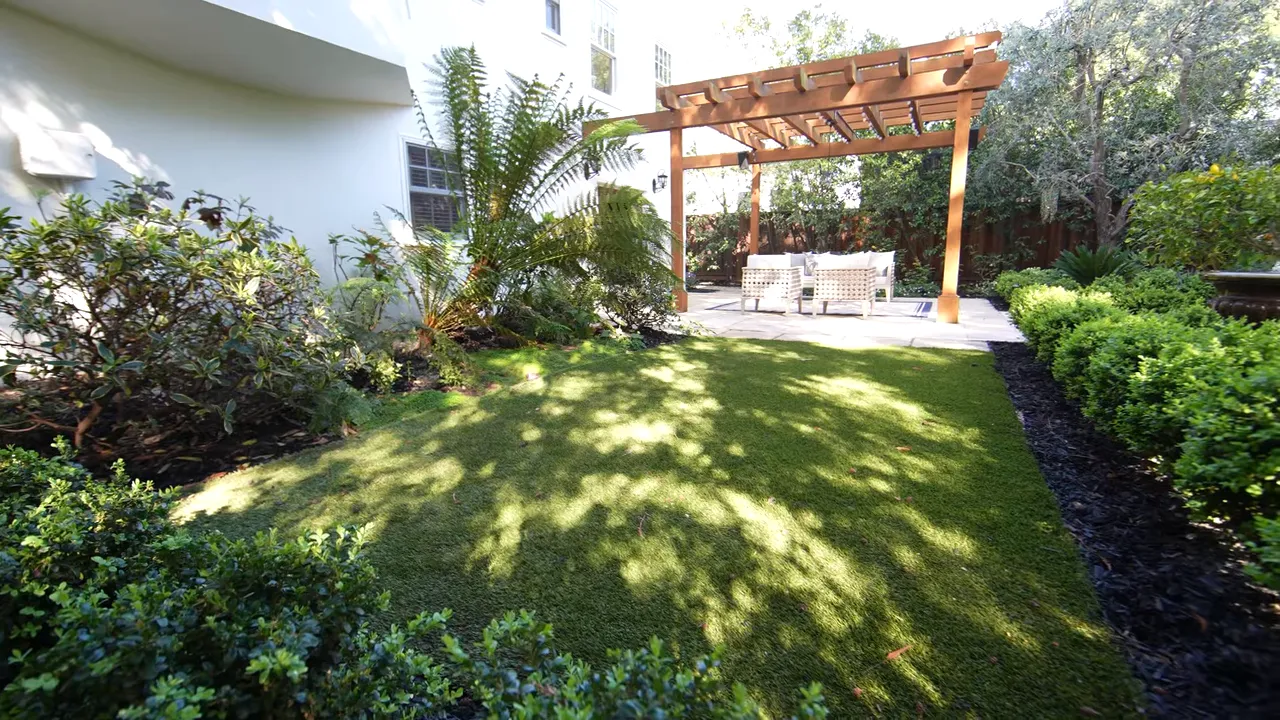
For someone who loves being outdoors, Burlingame is a dream. The town has 19 parks spread across 12 neighborhoods, offering playgrounds, sports fields, tennis courts, and green space that feels intentional and cared for. Washington Park is the biggest downtown park and often feels like the town’s living room during weekends.
One of the standout features of Living in Burlingame is the town’s commitment to its tree canopy. Burlingame has been a Tree City USA for more than 30 years, which means the city allocates funds to maintain an urban tree infrastructure. Trees are inspected regularly and the shade and streetscape quality is noticeable on every block.
Safety in Burlingame
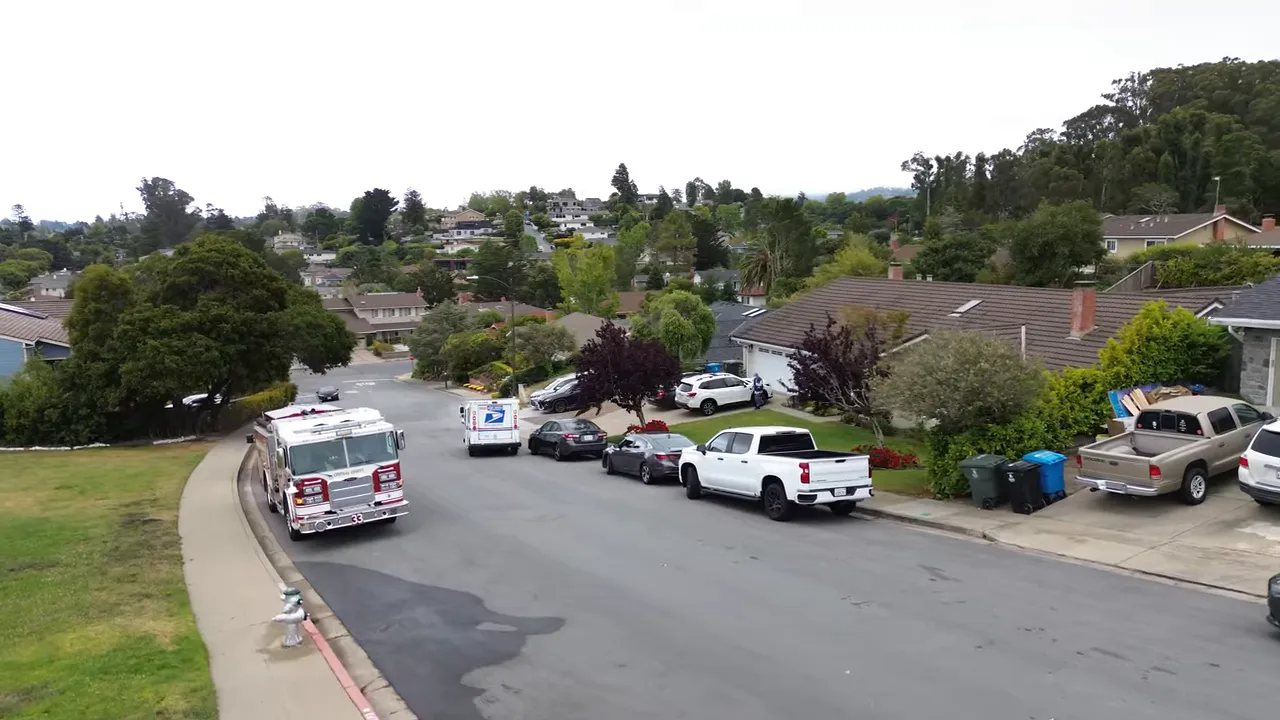
Neighborhood safety was another factor that tipped the scales. One memorable experience: an Amazon package was stolen from our front porch, and when I called the local police a sergeant arrived at our house within 10 minutes. Two days later a neighbor texted to say the theft footage was on local TV and someone had provided an anonymous tip that led to an arrest.
That level of responsiveness isn’t something I experienced in the city. It reinforced that Living in Burlingame feels like a place where civic services are responsive and effective. It also reminded me that community networks here are active—neighbors watch out for each other and will reach out when something is amiss.
Designing for Quiet: An Acoustic Story
Noise sensitivity was a real priority for our remodel. We wanted the house to feel like a refuge. To test ambient sound, we actually had an acoustic engineering firm install a microphone in our backyard for 24 hours. Using that data, we designed for quiet—better insulation, window choices, and orientation to reduce noise intrusion.
That attention to quieter living fits naturally with Living in Burlingame, where the pace is inherently calmer and nights are more peaceful than in most spots inside the city.
Burlingame Weather and Microclimates
The Bay Area’s microclimates are famously varied, and Burlingame sits in one of the more temperate, sun-friendly pockets. Mornings can bring a light marine layer or patchy fog that usually burns off by late morning, leaving clear, pleasant afternoons. Temperatures are moderate year‑round—winters are mild without prolonged cold snaps, and summers rarely reach the extremes of inland valleys—thanks to the Bay’s moderating influence and local breezes. That combination means more predictable weather for walks, playgrounds, and outdoor plans than you’ll find in many foggier parts of San Francisco or much hotter spots farther inland.
Seasonally, Burlingame tends to offer long stretches of comfortable weather: spring and fall are especially agreeable, with crisp mornings and sunny afternoons, while summer days are warm but often tempered by a cooling breeze in the evening. The town doesn’t typically see the intense summer heat common to the Peninsula’s interior or the dense, all‑day gloom that can linger in neighborhoods closer to the Golden Gate. For anyone who values reliability—school recesses that aren’t rained out, weekend farmer’s markets with consistent turnout, or evening BBQs that don’t end early—those small differences add up in daily life.
Practically speaking, Burlingame’s mild climate is a big asset for outdoor living and gardening. Front porches, backyards, and community parks get frequent use throughout the year, and hobby gardeners can often grow a wide range of vegetables and ornamentals with less risk of frost or heat stress. If you enjoy running, cycling, or simply walking the dog after work, you’ll find the weather encourages those habits almost year‑round—so short sleeves and light layers are typically all you need.
For families and anyone who prefers to be outside as part of everyday life, that consistently pleasant weather is another reason Living in Burlingame is attractive. It supports an active, community‑centered lifestyle—schools hold outdoor events, parks host regular sports and meetups, and neighbors are comfortable gathering on sidewalks and patios through much of the calendar. In short, the microclimate makes it easy to plan life around the outdoors rather than around the weather.
Libraries, Culture, and Civic Life in Burlingame
One of the quieter but meaningful assets is the library system. Burlingame’s library is ranked among the very best in California for towns under 40,000 people. The local foundation runs programs, guest speaker events, and trivia nights, making the library a small but vibrant cultural hub.
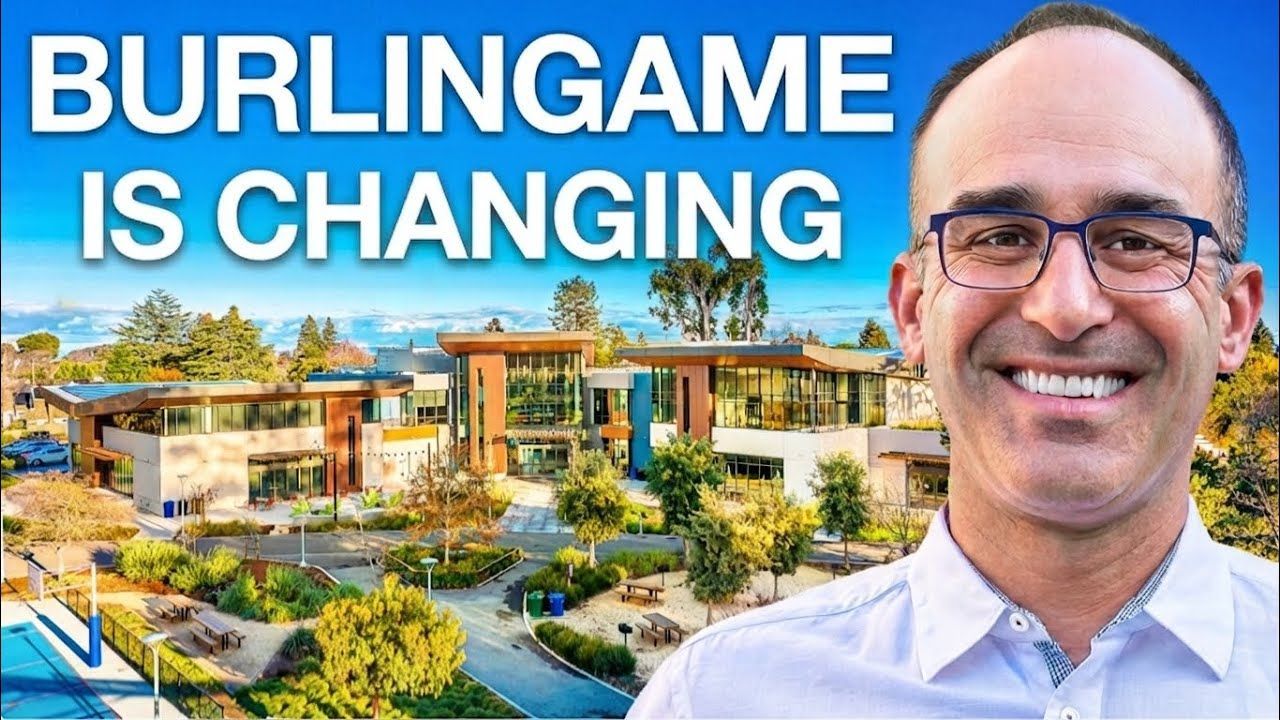
The town also maintains active civic programming and invests in community infrastructure. A modern $52 million community center includes spaces for seniors, teens, and a broad range of activities. That kind of investment shows up in day-to-day life: parks get upgrades, streets are maintained, and fallen trees get attention quickly.
Raising a Family in Burlingame: Schools, Activities, and Quality of Life
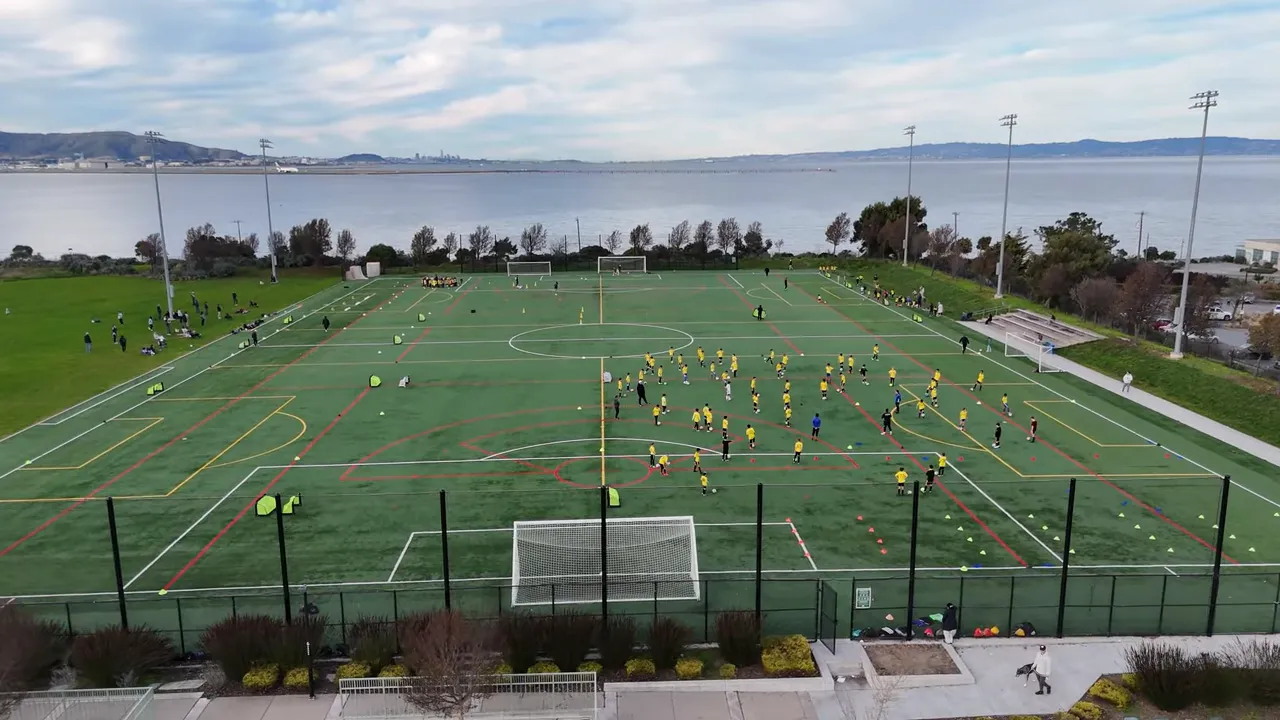
When you choose a community to raise kids in, two things matter most: opportunities and support. Burlingame offers both. There are a multitude of youth sports programs, playdates, parent groups, and volunteering options. I coached soccer and baseball seasons and found that almost anyone can jump in and contribute.
That network of support is part of what makes Living in Burlingame feel nurturing. New parents get meals from neighbors, mom groups form fast, and activities are plentiful.
Local Economy and City Services: Why the City Just Works
Burlingame benefits from unique revenue sources. Many of the hotels at San Francisco International Airport sit within Burlingame’s borders, historically generating significant occupancy tax revenue for the town. The auto row is another steady contributor to the local fund. Those revenue streams allow the city to maintain services and infrastructure without drastic cuts—even through tough economic periods.
From a municipal perspective, that means the city can fund parks, maintain a robust police presence, and invest in programs. It also explains why many residents stay for decades; the quality of services contributes to a high quality of life.
Why Burlingame Works for Every Stage of Life (Yes, Even Multi-Generational Living)
One of the most striking things about Burlingame is how well it serves multiple generations. Seniors can walk to markets, meet at bocce courts, or attend programs at the new community center. Young families enjoy parks and schools, and empty nesters find cultural and recreational options. I can see why people move here and stay; the town fits a wide range of life stages.
The Downsides of Living in Burlingame (Real Talk)
Is Burlingame perfect? No. No place is. Housing prices reflect quality of life and desirability, which makes buying here competitive and sometimes stressful. Traffic on certain arteries during commute windows can be busy. And, like anywhere, there are small neighborhood nuisances and disagreements.
But for me, the benefits outweigh the downsides. The quieter nights, strong community bonds, walkable downtowns, parks, and responsive city services made the move worthwhile. If you value a mix of city conveniences and suburban calm, Living in Burlingame is a compelling option.
Final Thoughts
Moving 20 miles south of San Francisco was one of the best decisions I have made. The transition from an energetic urban lifestyle to a quieter, more community-oriented life has been rewarding in ways I did not fully anticipate. Whether it was bumping into a neighbor who had advised my Eagle Scout project years earlier, receiving a quick police response when a package was stolen, or attending a block party on a summer evening, the everyday experiences here feel meaningful.
If you are debating a move, consider what you want your daily life to be like: more predictable weather, a yard, calmer nights, strong schools, and walkable downtowns. If those are high priorities, Living in Burlingame deserves a spot near the top of your list.
HOMES FOR SALE IN BURLINGAME, CA
FAQs About Living in Burlingame
Is Burlingame a good place to raise a family?
Yes. Burlingame offers numerous parks, youth sports, active parent groups, and strong community support. The town’s walkability and family programs make it an attractive place for raising children.
How is the weather compared to San Francisco?
Burlingame typically has milder, sunnier weather than many neighborhoods in San Francisco. Its Mediterranean-like microclimate means more temperate days and fewer foggy mornings.
How long does it take to commute to San Francisco?
Depending on traffic and exact start and end points, commutes into San Francisco generally range from 25 to 40 minutes. Public transit options and Caltrain provide alternatives for many commuters.
Are there good dining options in Burlingame?
Yes. Burlingame has developed a vibrant food scene with restaurants, cafes, and eateries that rival city options. Between downtown Burlingame, Broadway, and nearby towns, dining options are plentiful.
How safe is Burlingame?
Burlingame is considered very safe, with responsive police services and active neighborhood engagement. Community networks and quick municipal responses add to residents’ sense of security.
What makes Burlingame different from other Peninsula towns?
Burlingame balances walkable downtowns, strong municipal services, a high tree canopy, and multi-generational amenities. Unique revenue sources and consistent investment in public spaces also set it apart.
Read More: Burlingame vs San Carlos: Which Peninsula Town Is Right for You?