
Table of Contents
- Overview
- Initial Expectations Vs Reality
- Contractor Selection And Communication
- Foundation And Structural Surprises
- HVAC And Mechanicals Gone Wrong
- Survey, Fences, And Property Lines
- Driveway Materials And Landscape Choices
- Designer Versus Architect — Who To Hire
- Timeline And Realistic Schedule Planning
- How To Decide When To Walk Away
- Practical Checklist Before You Buy A Fixer Upper
- Real Examples And Numbers From My Projects
- Final Thoughts
- FAQ
Overview
I thought a house needed a $50–$75k refresh and wound up investing more than half a million. That kind of sticker shock teaches you lessons fast. Below are the costly mistakes I made, what I learned, and an actionable playbook you can use before you buy or renovate a fixer upper.
This post covers how to spot hidden problems, how to choose the right team, how to budget realistic timelines, and how to decide when it’s smarter to walk away.
Initial Expectations Vs Reality
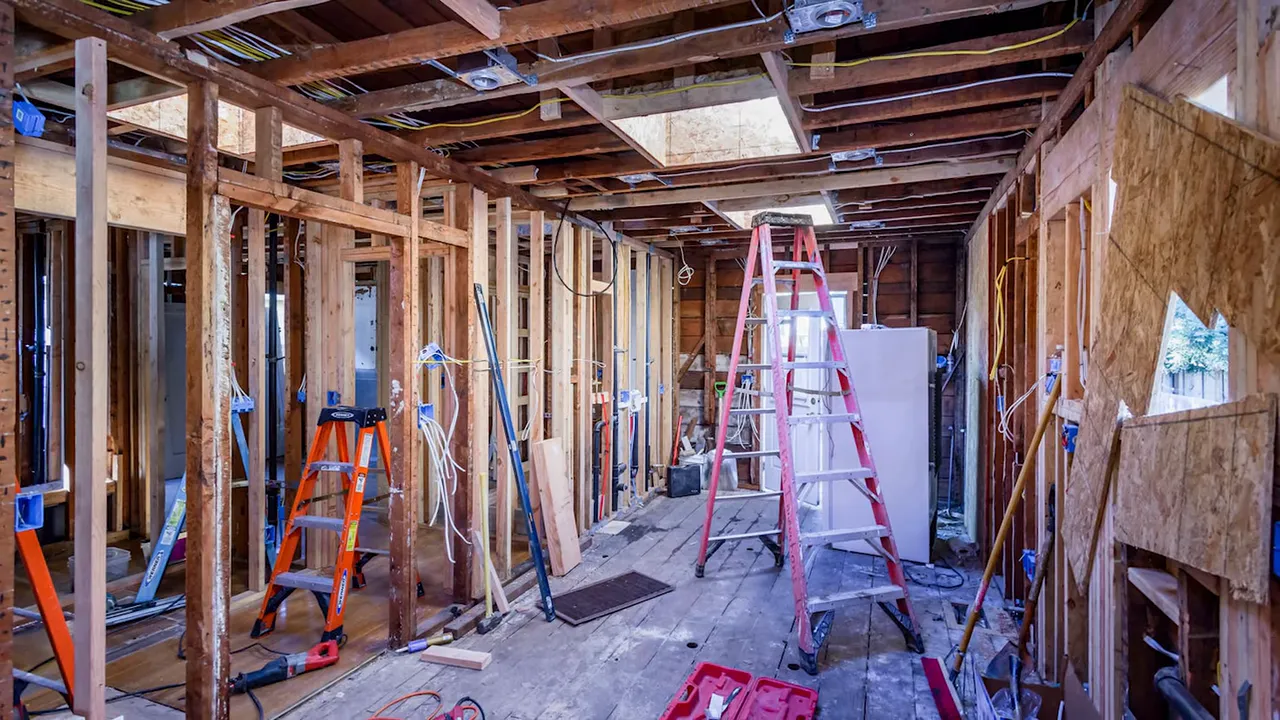
The house I bought looked like a $50–$75k refresh was enough. A contractor agreed, so we pulled the trigger. Within a year we had spent nearly $400k, and over time it reached roughly half a million. The truth: knowing the issues on paper is not the same as knowing their cost and scope.
A few important takeaways from that experience:
- Estimates are only as good as the information behind them.
- Low bid doesn’t equal low total cost. Cheap labor or allowances can hide future failures and expensive fixes.
- Expect the unknown. Some issues are invisible until demo begins, and the cost can balloon fast.
Contractor Selection And Communication
On the first remodel we chose the lowest-cost contractor who was local but commuted a significant distance. The team had good intentions but poor organization. Decisions got thrown at us with tight deadlines, and there was no plan showing when selections were required.
On our second project we did three bids, interviewed references, and ultimately hired the most expensive contractor. Why? The bid was far more detailed and the communication plan was clear. The higher bid included larger allowances for the finishes we actually wanted, which minimized change orders.
Processes that worked on the second project:
- Weekly on-site meetings (every Monday).
- Weekly foreman emails listing 3–4 decisions to be made before the next walkthrough.
- Problem, solution, cost: contractor presented the issue, the proposed fix, and the price up front.
- References checked by phone, not just by text.
What to ask every contractor before hiring
- Can I see a recent project with similar scope?
- How many projects do you run simultaneously?
- What does your decision schedule look like? When will selections be due?
- How do you handle change orders and unforeseen conditions?
- Can I speak directly to three references and visit an in-progress job?
Foundation And Structural Surprises
One of the most expensive surprises was the foundation. The house was nearly 100 years old and the foundation essentially sat on the soil line rather than extending below it. A structural engineer called it a "cutting-edge technique from the 1880s"—which is to say, it wasn’t right.
We ultimately repoured about three quarters of the foundation and underpinned nearly all of it to make the structure sound. The repairs eliminated long-term risk, but they were far costlier than any cosmetic refresh.
Lesson: when a property is old, get more than a standard inspection. If anything about the foundation, grade, or settlement looks off, bring in a structural engineer before purchase.
HVAC And Mechanicals Gone Wrong
The furnace was installed in the crawl space but was sitting directly on the ground instead of being mounted to framing. A few years later it failed and needed full replacement. The condenser had been placed on the roof where it didn’t belong; we moved it to the ground.
These are the types of mechanical details that won’t always be obvious on an inspection report. They are also expensive to fix after the fact. We spent about $8,300 to correct the HVAC placement and equipment issues.
Tip: have a mechanical contractor or MEP reviewer look at the equipment locations if you see installations that feel improvised or unusual.
Survey, Fences, And Property Lines
When you buy a property, the fence you inherit might not sit on your true property line. A proper survey is typically $4–$5k for most suburban lots. We skipped the survey at purchase to save money and later found the fence we had installed was 8–12 inches off.
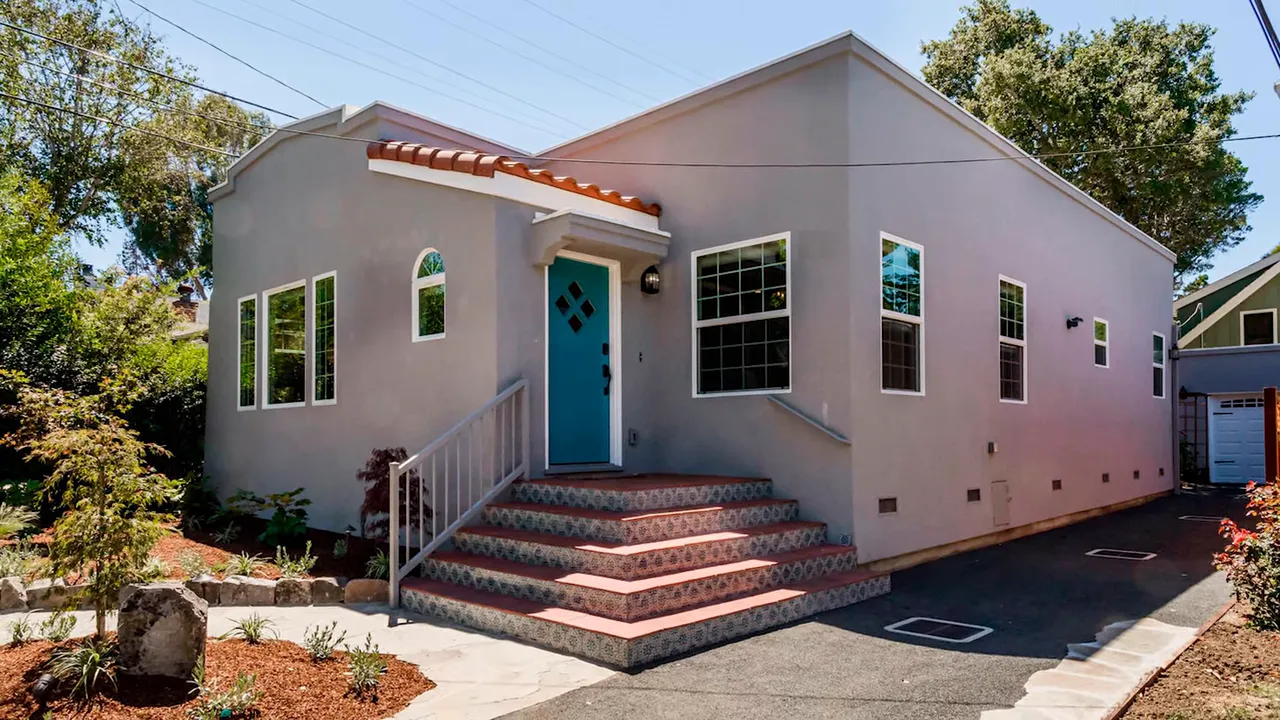
If you plan to do any exterior work close to a boundary—driveway, fence, retaining wall—get a survey first. If you are paying for a fence yourself, one architect’s tip: place the fence on your side of the property line to avoid disputes over ownership and maintenance.
Driveway Materials And Landscape Choices
We used a decorative gravel the landscape designer recommended. Because the driveway had a slope, the pebbles washed out into the street after a year. There should have been an adhesive treatment to stabilize the stone; we didn’t know that until it failed.
That driveway, plus doing it twice after the survey, cost an estimated $30–$40k in avoidable spending.
Another material lesson: we chose limestone because it looked incredible in the showroom. It still looks great, but it soaks up dirt and needs resealing every 12–18 months—five coats—and two people need 6–7 hours to do it. That ongoing maintenance is real and recurring.
Before you choose a finish:
- Ask about durability, maintenance, and sealer schedules.
- Ask for real home photos of installed materials after one year of use.
- Include long-term maintenance cost estimates in your budget.
Designer Versus Architect — Who To Hire
On our first house we hired a talented interior designer who was early in her career. She did nice work, but we missed opportunities for better design choices that only more experienced professionals would have caught.
For our second project we hired an experienced architect who also had a designer on the team. The architect visited the site regularly and caught issues the contractor would have missed. For example, an architect on a different project noticed the tile layout in a primary bathroom was installed backwards and insisted it be ripped out and done per plan.
When to hire an architect:
- Structural changes or additions are planned.
- Permitting complexity is high.
- You want a unified design and someone who will visit site frequently.
When a designer may suffice:
- Cosmetic-only refreshes with no structural work.
- You already have solid construction management and permitting handled.
Timeline And Realistic Schedule Planning
If you expect construction to start immediately after purchase, prepare to be surprised. A realistic timeline looks like this:
- Offer accepted and closing: 3–4 weeks.
- Find an architect or designer: 1–2 months.
- Architect produces plans and revisions: several months.
- Permit review and comments: 2–4 months depending on the city.
- Bid period and contractor selection: 1–2 months.
- Actual construction start: often 8–12 months after closing.

For a full home rebuild from scratch, plan on two and a half to three years from purchase to move-in.
How To Decide When To Walk Away
Not every fixer upper is worth the risk. Ask yourself:
- How much certainty do I have about the property condition before offer?
- How much unknown cost am I willing to absorb?
- Do I have the time and appetite for a months-to-years long project?
- Would paying more for a newer home save stress and money over time?
You will encounter pressure when markets move fast. If you need extensive investigations to feel comfortable, and the market only gives you a few days to decide, it may be better to wait for the right property.
Practical Checklist Before You Buy A Fixer Upper
- Hire a pre-purchase engineer for older homes where foundations or framing look suspect.
- Order a property survey before doing any major exterior work.
- Get three detailed bids and compare not only price but schedule, allowances, and communication plans.
- Check references by phone. Visit completed projects and active job sites.
- Review pest and section-one estimates carefully. Hidden dry rot can extend far behind visible stucco.
- Budget for contingencies. Expect unknowns—plan 15–25% contingency for a typical renovation, more for older homes.
- Understand material maintenance for any selected finish—stone, natural wood, specialized gravel, etc.
- Set a decision calendar with your contractor: when selections must be made, and who is accountable.
- Decide what quality means to you and be willing to pay up front for it if it reduces future problems and change orders.
Real Examples And Numbers From My Projects
- Initial estimated refresh: $50–$75k
- Actual first-year spending: almost $400k
- Total invested over time: around $500k+
- HVAC rework: ~$8,300
- Survey typical cost: $4–$5k
- Driveway redo and fence correction: estimated $30–$40k when fixed after the fact
Final Thoughts
The worst part of the early project wasn’t the expense alone. It was the reactive pace: change orders, surprise decisions, and a feeling of being behind. The best part of the second project was the opposite: planning, clear communication, professional accountability, and a team I trusted.
If you’re considering a renovation or buying a fixer upper, prioritize the quality of the team and the clarity of the plan. The slightly higher price you pay up front for an experienced architect and contractor often saves you far more in money, time, and stress down the road.
FAQ
Should I always get a property survey before buying?
If your planned work touches a property line—fence, driveway, retaining wall—or if boundary location matters for access or setbacks, yes. A survey typically costs $4–$5k for a standard lot and removes ambiguity that can lead to expensive disputes or redo work.
How much contingency should I budget for a renovation?
For a straightforward refresh, budget 10–15% contingency. For older homes or projects with structural, mechanical, or unknown elements, budget 15–25% or more. If you’re dealing with very old foundation systems or suspected dry rot, add additional contingency specific to those risks.
Is the cheapest contractor ever a good idea?
Not usually. A low bid can mean lower quality materials, inexperienced subs, loose scheduling, and more change orders later. Compare bids on completeness, communication, and track record—not just bottom-line price.
Do I need an architect or is a designer enough?
Use an architect when structural changes, permits, or complex site issues are involved. Designers are excellent for cosmetic work and interior selections. For big remodels, an architect plus an interior designer often yields the best outcome.
How long before construction will the project actually start?
Realistically, 8–12 months from offer acceptance to breaking ground for a full remodel. That includes time to find the right architect, develop plans, obtain permits, and bid the work. New-home builds often take 2.5–3 years.
When should I walk away from a potential fixer upper?
Walk away if you cannot get enough certainty about major systems (foundation, structure, drainage, roof) before purchase, or if the unknowns exceed your financial or emotional tolerance. If the remodel would take you far beyond your budget and timeline appetite, a newer home might be a better option.
Renovations teach you quickly. The difference between a painful project and a successful one often comes down to planning, the quality of the team, and realistic expectations. Use the checklist above, ask the right questions, and treat the process like any important investment—do your due diligence before signing.