
The pros and cons of buying a flipped house are not always obvious when a home looks polished, bright, and move in ready. Fresh paint, a stylish kitchen, new floors, and good staging can make a property feel like an easy yes. But sometimes that beautiful renovation is only skin deep.
That is why we need to be careful. Not every flipped property is a bad buy. Some are done professionally and thoroughly. But plenty of flips are built around speed, margin, and presentation. When that happens, the finishes may look great while the more expensive parts of the house are only partly addressed, or not addressed at all.
If we are serious about understanding the pros and cons of buying a flipped house, we have to look past the sparkle and into the disclosure package, permit history, inspections, and overall quality of execution. That is where the real story usually lives.
Table of Contents
- What Is a Flipped House?
- Pros and Cons of Buying a Flipped House
- Hidden Problems in Flipped Houses
- Permits and Flipped House Quality
- Seller Disclosures for Flipped Houses
- Protecting Yourself When Buying a Flip
- Are Flipped Houses Worth Buying?
- FAQs About Buying a Flipped House
What Is a Flipped House?
A flipped house is typically a property bought by an investor at a lower price, improved, and resold at a higher price. Sometimes those improvements are meaningful. Sometimes they are mostly cosmetic. Usually it is a mix.
The business model is simple. Buy low, renovate quickly, and sell for a profit. There is nothing inherently wrong with that. The issue is that speed and profit can create incentives that do not always line up with what we want as buyers.
When we think about the pros and cons of buying a flipped house, this is the starting point. The same structure that can produce a beautifully updated home can also produce rushed work, incomplete repairs, and disclosures that leave out important context.
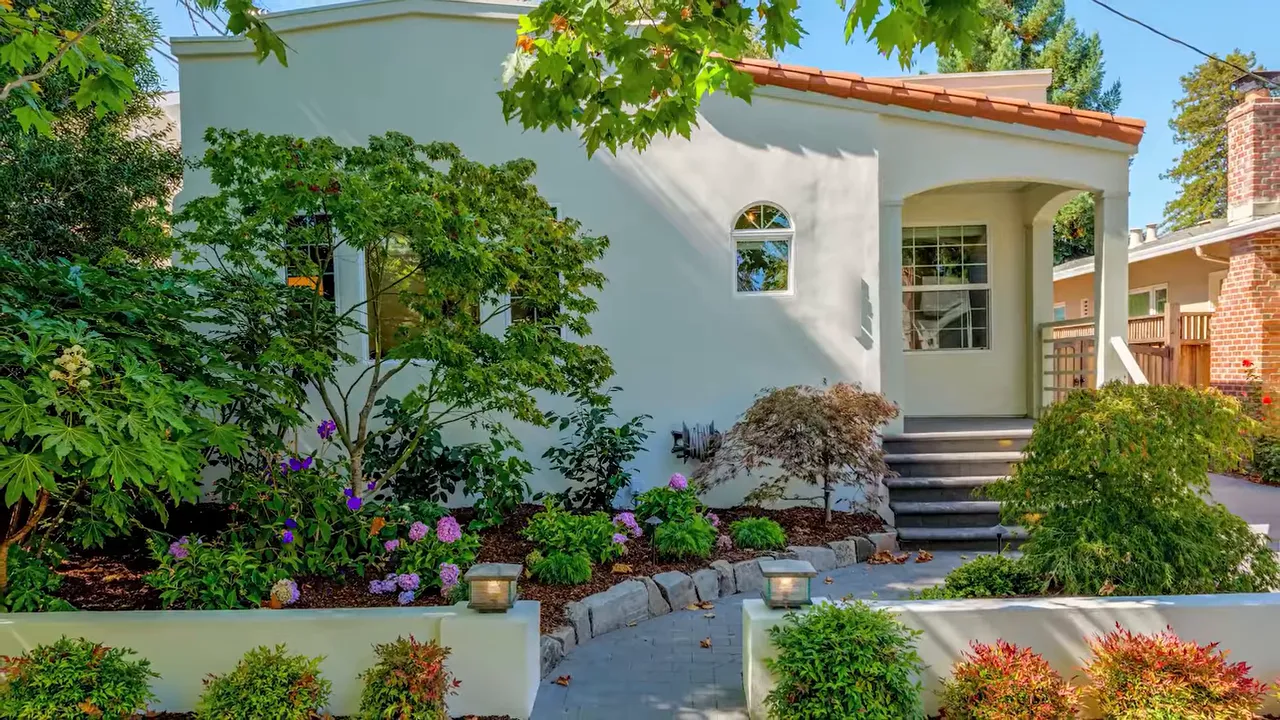
View Homes For Sale in San Mateo County
Pros and Cons of Buying a Flipped House
The pros
- Updated finishes. Flips often have renovated kitchens, new flooring, fresh paint, lighting, and landscaping.
- Move in readiness. We may be able to avoid doing immediate cosmetic work after closing.
- Modern appeal. Some buyers simply prefer a cleaner, newer aesthetic over a dated home.
- Possible system upgrades. In some cases the roof, HVAC, appliances, or parts of the plumbing and electrical have been improved.
The cons
- Cosmetics can distract from deferred maintenance. What looks new may not tell us much about the foundation, sewer, drainage, wiring, or older plumbing.
- Work may be rushed. A flipper usually wants to sell quickly, which can lead to shortcuts.
- Quality varies widely. Two homes can look equally nice online, but one may be carefully rebuilt while another is average at best behind the walls.
- Pricing is not necessarily discounted. The market often pays full freight for pretty presentation, even when quality is questionable.
- Incomplete disclosures. If the seller is not transparent, it becomes much harder to evaluate risk.
That last point matters more than people realize. The pros and cons of buying a flipped house are not just about construction. They are also about information. A buyer who gets clear documentation can make a smart decision. A buyer who gets vague paperwork is flying half blind.
Hidden Problems in Flipped Houses
The biggest challenge with flipped homes is that they often emphasize what catches the eye. Countertops, cabinets, fixtures, floors, and staging are easy to notice. Drain lines, electrical service, waterproofing, foundation conditions, and window performance are not.
That creates a familiar pattern. A property can feel upgraded while still carrying older systems that may become our problem later.
We have seen examples where the visible work looked decent, yet hidden issues showed up after move in. One case involved a lower level that flooded once winter arrived. Due diligence had been done. An engineer had even been brought in during the contingency period. Even so, some concealed conditions and shortcuts were difficult to catch ahead of time.
That is the uncomfortable truth about the pros and cons of buying a flipped house. We can do many things right and still miss something if the work was designed to conceal rather than clarify.
There are also smaller quality issues that reveal the mindset behind a renovation. A home can have an expensive new refrigerator, but if it is jammed too tightly into a corner and the door cannot swing open properly, that tells us something. It suggests nobody lived with the result long enough to catch practical problems. It also suggests the final details may not have been fully thought through.
And then there is the bigger market issue. Flips do not usually sell at a discount just because they are flips. If the location is attractive and the photos are strong, there is often someone willing to pay a premium. That means we do not automatically get compensated for the extra risk.
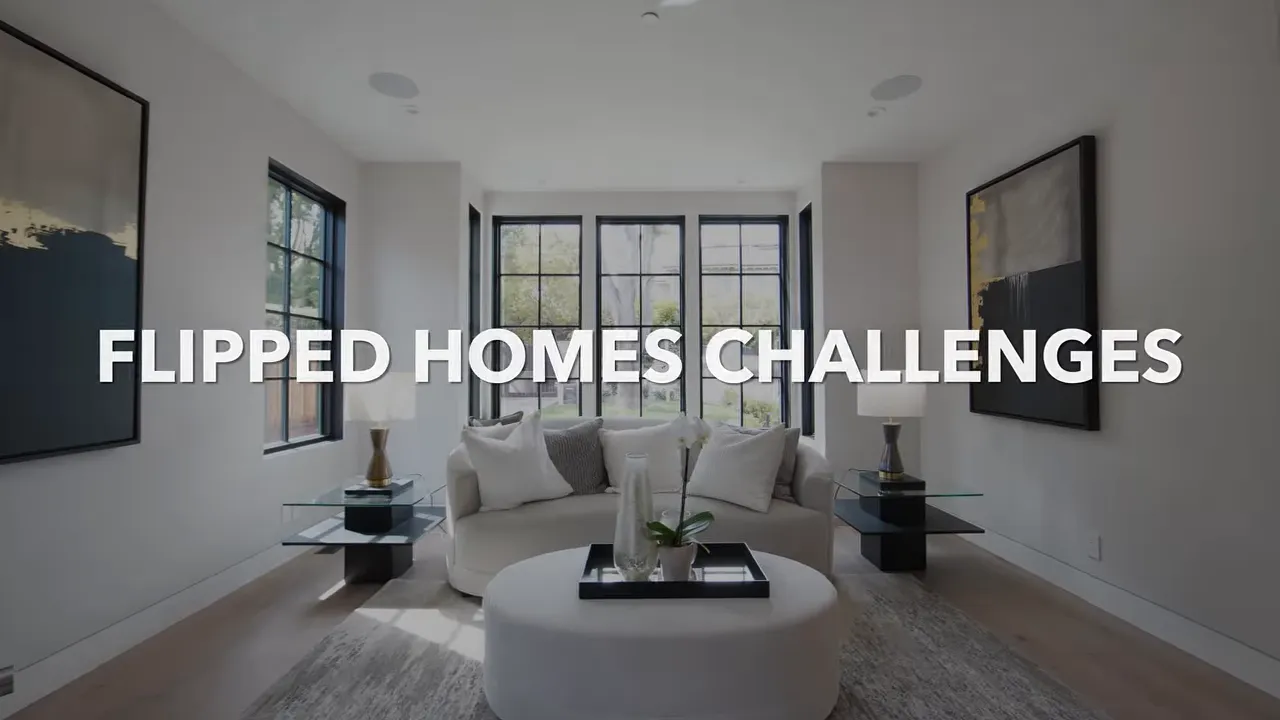
That is why the pros and cons of buying a flipped house have to be weighed carefully. If we are paying top dollar, we should expect top level transparency and quality, not just nice styling.
Permits and Flipped House Quality
Permits matter. They are absolutely better than unpermitted work. But permits are not the same thing as craftsmanship.
A permitted job generally tells us the work met the minimum code standard required by the city. That is useful, but it is not the same as saying the work was done thoughtfully, thoroughly, or to a high level of finish.
That distinction gets lost all the time. Buyers hear that something was permitted and assume the risk is gone. It is not. The permit bar is the floor, not the ceiling.
This matters especially in older homes. A flip may include selective upgrades while leaving mixed systems in place. Maybe part of the house has updated wiring while other portions still have older wiring. Maybe some plumbing was replaced but an aging drain line remained. Maybe the roof is new but drainage near the foundation is still weak.
Construction is expensive, especially in high cost markets. Labor, insurance, overhead, and specialist trades all add up fast. That cost pressure creates a financial incentive to do the minimum needed to support resale value. From the flipper's perspective, the goal is to spend where buyers will notice and avoid over improving things hidden behind walls or under the house.
Again, this does not mean every flipper thinks this way. It just means the economics push in that direction, which is one of the central cons in the pros and cons of buying a flipped house.
Seller Disclosures for Flipped Houses
If a seller wants to build trust, the disclosure package should be detailed, organized, and easy to follow. We should not have to piece the house history together from scraps.
The best disclosure packages tend to do a few things well:
- They lay out the history of the property in chronological order.
- They explain what work was done, when it was done, and who did it.
- They include permits, invoices, receipts, warranties, and supporting documents when available.
- They describe not only upgrades, but also issues, repairs, disputes, leaks, pest findings, and maintenance history.
- They answer likely buyer follow up questions before we even have to ask them.
That level of detail is not overkill. It is smart business. Thorough disclosure reduces suspicion, helps buyers understand the property, and often improves sale results because trust tends to increase confidence.
Some of the strongest examples of disclosure include things many sellers might be tempted to skip, such as:
- Past dry rot and how it was repaired
- Rodent findings discovered during pre sale inspections
- Past water intrusion and the corrective work completed
- Property line issues that have already been resolved
- Foundation or engineering work done years ago
- Repair history for appliances under warranty
- Even practical notes like where paint supplies are stored and what rooms were painted with which products
That is the kind of transparency we should want. If we are evaluating the pros and cons of buying a flipped house, quality disclosures can tip the balance in a positive direction. Weak disclosures do the opposite.
Protecting Yourself When Buying a Flip
If we are seriously considering a flipped property, we need to act quickly, but not carelessly.
One of the most common mistakes is waiting until the last possible moment to see the house. A property comes on the market midweek, we visit over the weekend, and offers are due a few days later. That leaves almost no time to investigate. With a flip, that compressed timeline is especially dangerous.
Here is a better approach.
1. See the property as early as possible
The sooner we get in, the more time we have to review disclosures, ask questions, and bring in specialists if needed.
2. Read the disclosures carefully
Not casually. Carefully. We want to understand what was done, what was not done, and where the vague language starts. Missing detail is itself a clue.
3. Check permit history
Some cities make this easy online. Others require an in person visit. Either way, permit history can reveal whether the paperwork matches the renovation story being told.
4. Talk to the pre sale inspectors
If the seller paid for inspections, we should not just skim the reports. We should talk to the inspector directly if possible. A phone conversation often adds useful nuance that never makes it into the written report.
5. Consider an engineer or specialist review
For certain homes, especially where there are signs of structural work, drainage concerns, hillside conditions, or unusual remodeling, it may make sense to bring in an engineer or another appropriate expert.
6. Talk to neighbors
This one is underrated. Neighbors often know the property history, past problems, previous owners, work crews, and whether something odd happened during construction.
7. Understand what as is really means
An as is sale does not give a seller permission to hide material facts. It generally means we are accepting the property in its disclosed condition. If a major hidden defect later turns out to have been knowingly concealed, there may be legal recourse. Of course, legal fights are expensive and draining, so prevention is much better than cleanup.
8. Work with representation that can interpret risk
A lot of this comes down to context. Is this issue common for homes of this age and location, or is it unusual? Is the disclosure package thorough, or is it suspiciously thin? Is the workmanship above average, or does it look slapped together? Those are not always easy questions for a buyer to answer alone.
This is where strong representation adds real value. The point is not to panic over every defect. The point is to understand what is normal, what is fixable, and what should make us slow down.
Are Flipped Houses Worth Buying?
Yes. Absolutely. A good flip does exist.
The stronger ones usually have a few things in common:
- The seller has a track record and appears professional.
- The documentation is thorough.
- The permit history is clear.
- Warranties are included.
- The workmanship feels consistent, not just flashy.
- The renovation appears to address both cosmetic and functional elements.
When buyers feel comfortable buying a flip, it is usually because the work itself is solid and the information around the work is solid too. Confidence comes from clarity.
That is really the key takeaway in the pros and cons of buying a flipped house. The issue is not simply whether a property is a flip. The issue is whether the home was improved with care, disclosed with honesty, and evaluated with enough rigor before we commit.
We deserve more than a pretty kitchen and hopeful assumptions. If a seller wants top dollar, we should expect full transparency, strong workmanship, and a paper trail that holds up under scrutiny.
Thinking about buying a flipped house? Before making an offer, it's important to understand the property's history, disclosures, permits, and overall quality of work.
If you'd like guidance on evaluating a flipped home and reducing your risk as a buyer, schedule a consultation or email hello@burlingameproperties.com. We're happy to help you review the details, identify potential red flags, and make a confident decision.
FAQs About Buying a Flipped House
Are flipped houses always a bad idea?
No. Some flips are done very well and can be great homes. The risk is that quality varies a lot, so we need to verify what was actually done and how well it was done.
What are the biggest cons in the pros and cons of buying a flipped house?
The biggest downsides are rushed workmanship, hidden deferred maintenance, incomplete disclosures, and the fact that the market often does not discount these risks in the sale price.
Does a permit mean the renovation was high quality?
No. A permit usually means the work met minimum code requirements. It does not guarantee thoughtful design, thorough execution, or strong craftsmanship.
What should we look for in a disclosure package?
We want a clear history of repairs and upgrades, names of vendors when available, permit information, invoices, warranties, and honest notes about problems like leaks, pests, drainage, or structural work.
How can we reduce the risk before making an offer?
See the home early, review disclosures closely, check permit history, speak with inspectors, consider specialist input, and talk to neighbors. Time and information are two of our best protections.
What does as is mean when buying a flipped house?
It generally means we are buying the property in its disclosed condition. It does not allow a seller to hide important defects or omit material facts they know about.