
Looking for the best places to live in San Mateo, CA? This guide breaks down the neighborhoods, transit options, schools, and lifestyle trade-offs so you can decide where to plant roots. Whether you want a walkable downtown vibe, family-friendly streets with top schools, or easy access to tech commutes, San Mateo and its neighboring cities offer a range of choices. Read on for practical comparisons, price and housing-type expectations, and local tips to help you narrow the field.
Table of Contents
- Introduction
- Neighborhood Breakdown: Exploring San Mateo’s Top Communities
- Nearby Towns to Consider When Moving to San Mateo
- What Buyers Should Know About San Mateo Homes
- How to Choose Among the Best Places to Live in San Mateo, CA
- Practical Tips for Homebuyers in San Mateo
- Housing Options: What to Expect from Homes, Condos, and Townhomes
- Schools, Parks, and Community Resources in San Mateo, CA
- Balancing Commute, Lifestyle, and Location in San Mateo
- Pricing Expectations and Affordability in San Mateo
- Small Checklist Before Making an Offer on a San Mateo Home
- Final Thoughts on the Best Places to Live in San Mateo, CA
- Frequently Asked Questions About Living in San Mateo
- Next steps
This is organized neighborhood by neighborhood, with clear pros and cons and concrete markers that matter when choosing one of the best places to live in San Mateo, CA. For each area you'll find:
- What the neighborhood feels like
- Housing types and typical pricing expectations
- Transit, commute, and walkability notes
- Who it’s best for (families, singles, commuters, retirees)
Introduction
San Mateo is a mid-peninsula city with diverse neighborhoods. Some areas are urban and walkable with restaurants and shops, others are quiet residential streets with larger lots. The city blends good schools, regional transit access, and proximity to both SFO and Silicon Valley. If you’re searching for the best places to live in San Mateo, CA, think about lifestyle first — then refine by commute and budget.
Neighborhood Breakdown: Exploring San Mateo’s Top Communities
Downtown San Mateo
Downtown is the city’s most walkable core: tree-lined streets, lots of restaurants, coffee shops, and some boutique shopping. You'll find many condos and a mix of single-family homes within a short drive.
- Vibe: Urban-suburban mix, lively retail and dining scene
- Housing: Condos and smaller-lot single-family homes; moderate to high prices
- Transit: Caltrain station, several bus lines, easy access to Highway 101
- Best for: Young professionals, empty nesters, anyone wanting walkability
Hillsdale / North Central
Hillsdale sits near the freeway and the shopping destination of the same name. It’s practical for shoppers and commuters and bordered by parks and schools.
- Vibe: Suburban, convenient
- Housing: Post-war single-family homes, townhomes, and newer condos
- Transit: Closer to HOV lanes and 101, bus service; Caltrain access is a short drive
- Best for: Families who prioritize convenience and schools
Baywood / Aragon (Southwest)
Baywood and Aragon are known for quiet, leafy streets and strong school districts. This area has a bit more yard space and a neighborhood feel that’s popular with families.
- Vibe: Residential, quiet, well-established
- Housing: Larger single-family homes, some classic mid-century and Tudor-style houses
- Transit: Drives to Caltrain stations; local buses and good proximity to freeway
- Best for: Families who want yards and strong schools
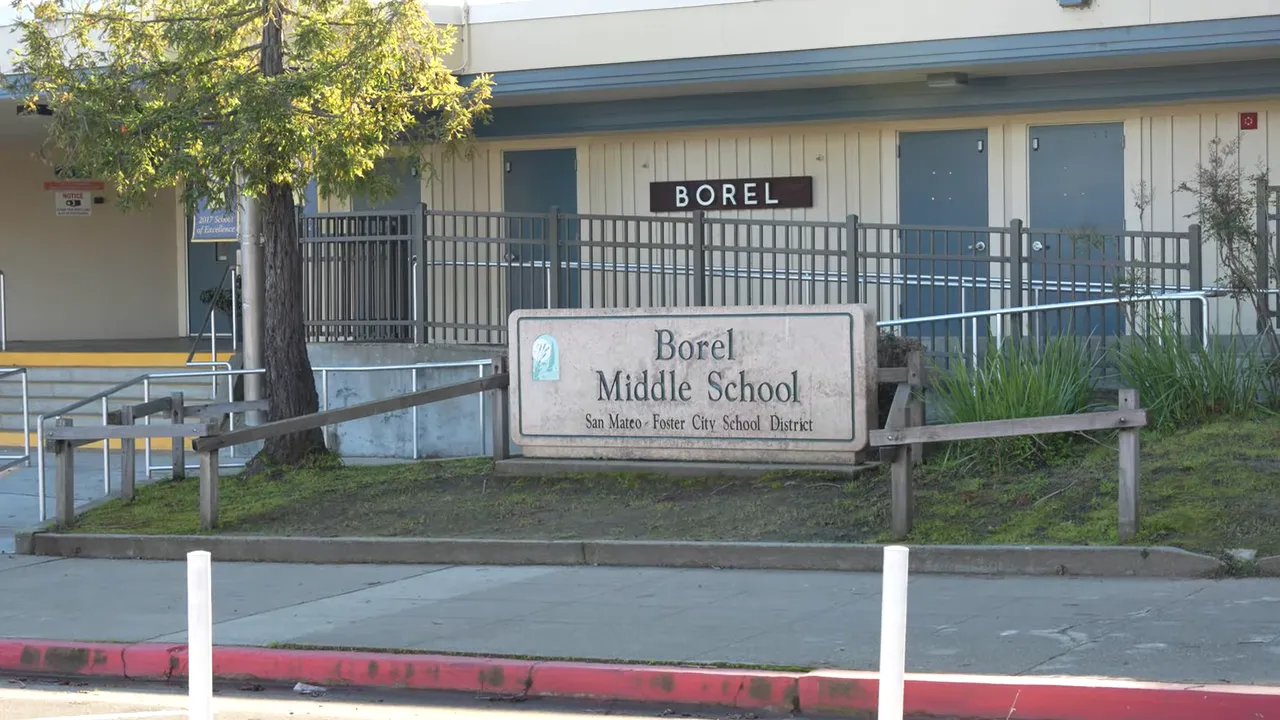
Laurelwood (East of Hillsdale)
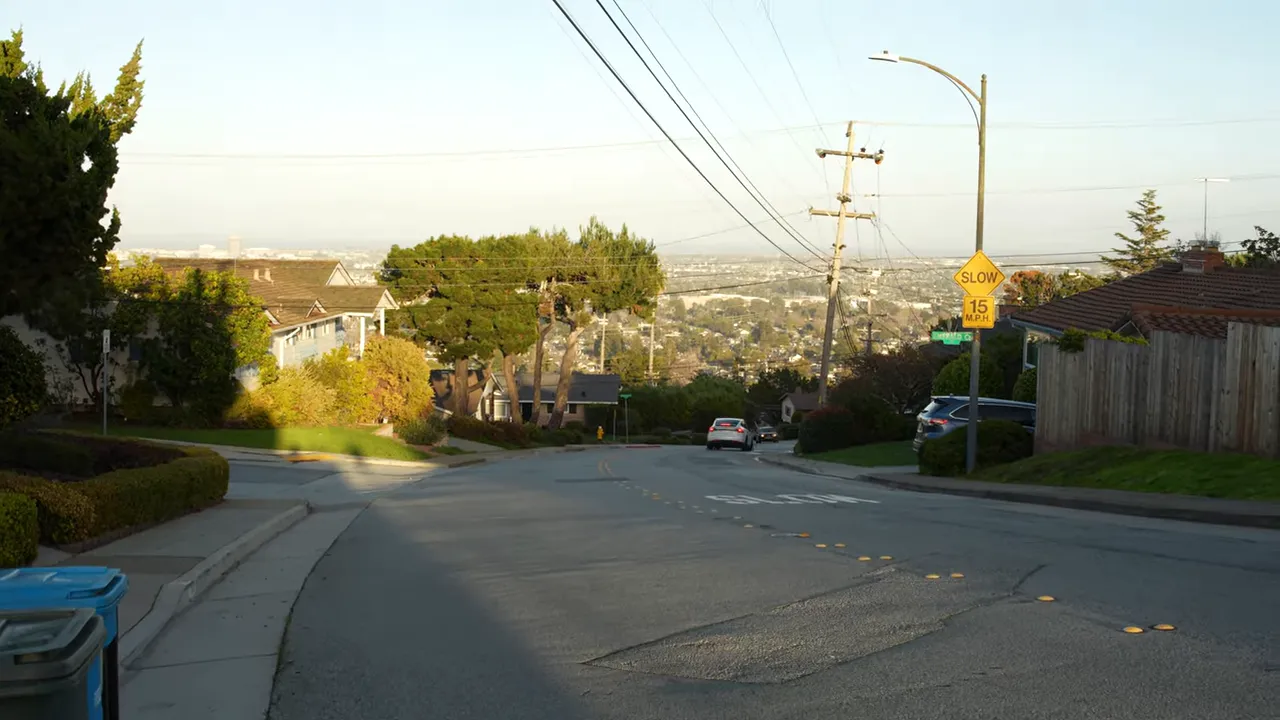
Laurelwood is slightly hillier with a more suburban, almost semi-rural feel in pockets. It offers good-sized lots and mature landscaping, attractive to buyers seeking privacy.
- Vibe: Quiet, green, residential
- Housing: Larger lots, single-family homes, occasional remodel projects
- Transit: Car-dependent for daily errands; not the most transit-rich corner
- Best for: Buyers wanting privacy, outdoor space, and quieter streets
South San Mateo / Shoreview
South San Mateo and Shoreview offer a mix of older and newer homes. This area often attracts buyers who want more affordable options while remaining close to the mid-peninsula advantages.
- Vibe: Mixed, family-oriented
- Housing: Ranch-style homes, modest single-family homes, some townhomes
- Transit: Accessible to major roads and bus lines
- Best for: First-time homebuyers and families looking for value
Nearby Towns to Consider When Moving to San Mateo
Sometimes the https://livinginsanmateocounty.com/blog/living-in-san-mateo-ca-the-complete-neighborhood-and-lifestyle-guide include the nearby cities that share the same commute and lifestyle advantages. These can be great alternatives if you want slightly different housing stock, school options, or a different vibe.
Burlingame
Burlingame has a cosmopolitan downtown, historic neighborhoods, and excellent commuter access. It tends to be more expensive but delivers strong curb appeal and solid schools.
Foster City
Known for its lagoons and family-friendly planning, Foster City is ideal for those who prioritize water-oriented recreation and planned community amenities.
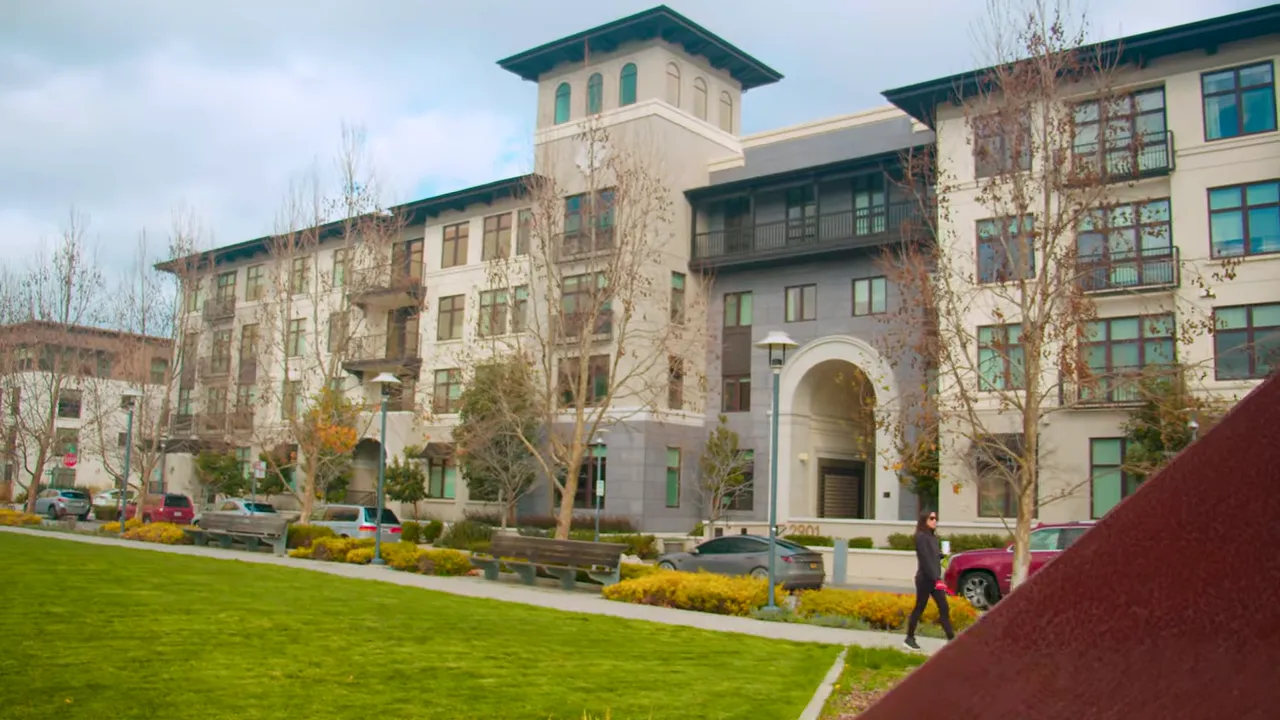
San Carlos
San Carlos blends a small-town downtown with easy access to tech corridors. It’s a short commute south and often offers a slightly calmer downtown energy than San Mateo’s core.
Redwood City
Redwood City’s downtown revival and transit hub status make it a strong option for those seeking lively night life, theaters, and a growing tech presence
VIEW HOMES FOR SALE IN SAN MATEO, CA
What Buyers Should Know About San Mateo Homes
Prices in San Mateo and surrounding cities are still elevated compared to most of the country. Expect competition for well-priced homes and a premium for the best locations and school districts. That said, inventory cycles change by season and price point.
When evaluating markets, weigh three things:
- Commute cost — not just dollars, but time. A 20-minute drive vs. a 40-minute one matters daily.
- School and neighborhood fit — good schools and community amenities often hold long-term value.
- Property condition and potential — remodel-ready homes can be opportunities in tight markets.
How to Choose Among the Best Places to Live in San Mateo, CA
There’s no one-size-fits-all answer. Use this checklist to narrow choices:
- Define must-haves: number of bedrooms, yard, parking, school ratings
- Prioritize commute and transit: time to work, proximity to Caltrain and 101
- Set a realistic budget: include property taxes, maintenance, and potential renovation costs
- Plan for lifestyle needs: proximity to parks, dining, and childcare
Practical Tips for Homebuyers in San Mateo
- Lean on local knowledge: Neighborhood microtrends can shift quickly. A local agent or community member can help you understand street-level differences.
- Be ready when inventory drops: Pre-approval and a clear decision plan make offers stronger.
- Consider renovation upside: If your budget is tight, look for homes where strategic updates will add value.
- Think long term: Resale value is tied to school zones, commute convenience, and neighborhood amenities.
Housing Options: What to Expect from Homes, Condos, and Townhomes
San Mateo and its neighbors offer three dominant housing types with different trade-offs:
- Condos and townhomes: Best for lower maintenance and higher walkability. Expect HOA fees but smaller yards and less upkeep.
- Single-family homes on modest lots: Common in many San Mateo neighborhoods; offer balance between yard space and proximity to shops.
- Larger-lot estates: Found in select pockets and neighboring Hillsborough; expensive but offer privacy and space.
Schools, Parks, and Community Resources in San Mateo, CA
For families, schools and parks are decisive. San Mateo Unified and nearby districts have highly rated schools in many neighborhoods, but ratings vary block by block. Public parks, playgrounds, and community centers are abundant, and proximity to these often correlates with stronger long-term demand.
Balancing Commute, Lifestyle, and Location in San Mateo
Choose a neighborhood that matches the rhythm of your daily life. Want a quick Caltrain ride to Mountain View or the city? Prioritize neighborhoods closer to the rail stations. Prefer a slower pace with weekend outdoor space? Laurelwood or parts of South San Mateo might be better.
Pricing Expectations and Affordability in San Mateo
Market prices vary widely by neighborhood and condition. As a rough guide in 2025:
- Condos / townhomes: lower entry point, significant HOA variation
- Average single-family: mid- to high six-figures to low seven-figures depending on neighborhood
- Premium neighborhoods: higher seven-figures for larger lots and renovated homes
These are directional. Always consult current listings and a local agent for exact numbers.
Small Checklist Before Making an Offer on a San Mateo Home
- Confirm your budget and get mortgage pre-approval
- Research school boundaries and commute times at the specific address
- Inspect for common Bay Area issues: drainage, seismic retrofits, foundation and roof age
- Plan for closing costs and potential renovation budgets
Final Thoughts on the Best Places to Live in San Mateo, CA
The best places to live in San Mateo, CA depend on what matters most to you: walkability and dining, top schools and yard space, or proximity to transit and tech hubs. San Mateo’s variety of neighborhoods means there’s a spot that fits most lifestyles — from lively downtown condos to quiet, leafy family blocks.
Start by narrowing your priorities, then layer in commute, school, and budget constraints. With a clear list, you’ll be able to compare neighborhoods objectively and move confidently when the right home appears.
Frequently Asked Questions About Living in San Mateo
Which neighborhoods are best for families in San Mateo?
Neighborhoods like Baywood / Aragon, Laurelwood, and parts of Hillsdale offer larger lots, quieter streets, and access to highly rated schools, making them popular with families.
Where are the most walkable neighborhoods?
Downtown San Mateo and parts of Burlingame are the most walkable, with frequent dining, shopping, and quick access to transit options.
Is public transit convenient in San Mateo?
Yes. San Mateo has Caltrain stations and multiple bus routes. Some neighborhoods are more transit-friendly than others, so match station proximity with your commute needs.
Are there affordable options near San Mateo?
“Affordable” is relative in the Bay Area. Look to smaller condos, townhomes, and parts of South San Mateo or neighboring communities for relatively lower entry points.
How important are school boundaries when choosing a neighborhood?
School boundaries can significantly affect resale value and desirability. If schools are a priority, confirm current boundaries and any planned changes before buying.
Next Steps
Make a short list of must-haves and nice-to-haves, then visit neighborhoods at different times of day. Talk to local residents, check commute times from potential addresses, and track inventory so you’re ready when the right property appears. The right balance of lifestyle, commute, and price will point you to one of the best places to live in San Mateo, CA.
Good luck finding the neighborhood that fits your life. If you want to dig deeper into school data, commute times, or current listings, use local resources or contact a neighborhood-savvy agent to guide the search.
Read More: Living in San Mateo, CA: The Complete Neighborhood and Lifestyle Guide