
San Mateo County has an irresistible pull: proximity to the Bay Area, strong local economies, excellent neighborhoods, and lifestyle perks. That same magnetism is why making the decision to move here requires more than a quick search or a shiny listing. If you are seriously considering moving to San Mateo County, this is the kind of candid look that will help you decide whether the tradeoffs line up with your goals.
Table of Contents
- Why San Mateo County Attracts So Many Residents
- The Housing Reality: Prices, Inventory, and What to Expect
- Commuting in San Mateo County
- Schools and Education in San Mateo County
- Lifestyle Pros and Cons: What You Gain—and What You Give Up
- Practical Steps if You Decide to Move to San Mateo County
- Alternatives to Buying Right Away: Renting and Waiting Strategies
- Evaluating Long-Term Value in San Mateo County Real Estate
- Final thoughts
- FAQ's about moving to San Mateo County
Why San Mateo County Attracts So Many Residents
There are clear reasons people start thinking about moving to San Mateo County. The job market ties closely to tech and professional sectors. The coastal towns, tree-lined streets, and top-tier schools make it attractive for families. In short, the area delivers quality of life, prestige, and convenience for people who want to be close to the heart of Silicon Valley while enjoying suburban comforts.
That reputation creates competition. When demand is high, so are prices, bidding wars, and expectations from sellers. For many buyers, what looks like a perfect fit on paper becomes a major financial stretch in practice.
The Housing Reality: Prices, Inventory, and What to Expect
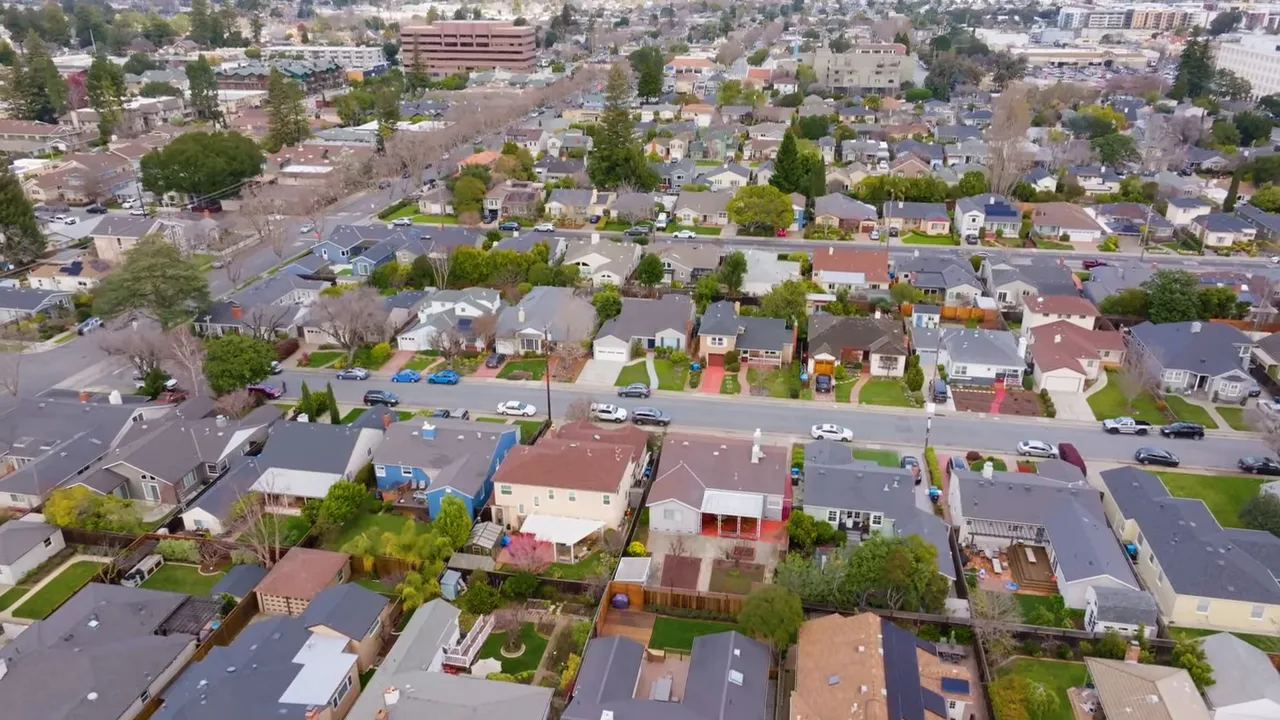
One straightforward data point tells a big part of the story. Recent figures show that the median home price in San Mateo County was $1,950,000, which was up 8% from 2023.
That median price means half the homes sold for more and half for less, and many neighborhoods sit well above that number. If you are thinking about moving to San Mateo County and your budget is typical for most buyers, you are likely to run into three common realities:
- Limited inventory — There simply are fewer homes available compared with buyer demand.
- Strong competition — Offers above list price and waived contingencies are common.
- Higher ongoing costs — Property taxes, insurance, maintenance, and HOA fees add up quickly.
What that means for financing
Affording a home here often requires more than the standard mortgage qualification. Lenders look at debt-to-income ratios, reserves, and down payment size. If you are moving to San Mateo County without a significant down payment or flexible work arrangements, you may need to revisit your timeline or consider alternative housing strategies, like starter towns or condos.
Commuting in San Mateo County
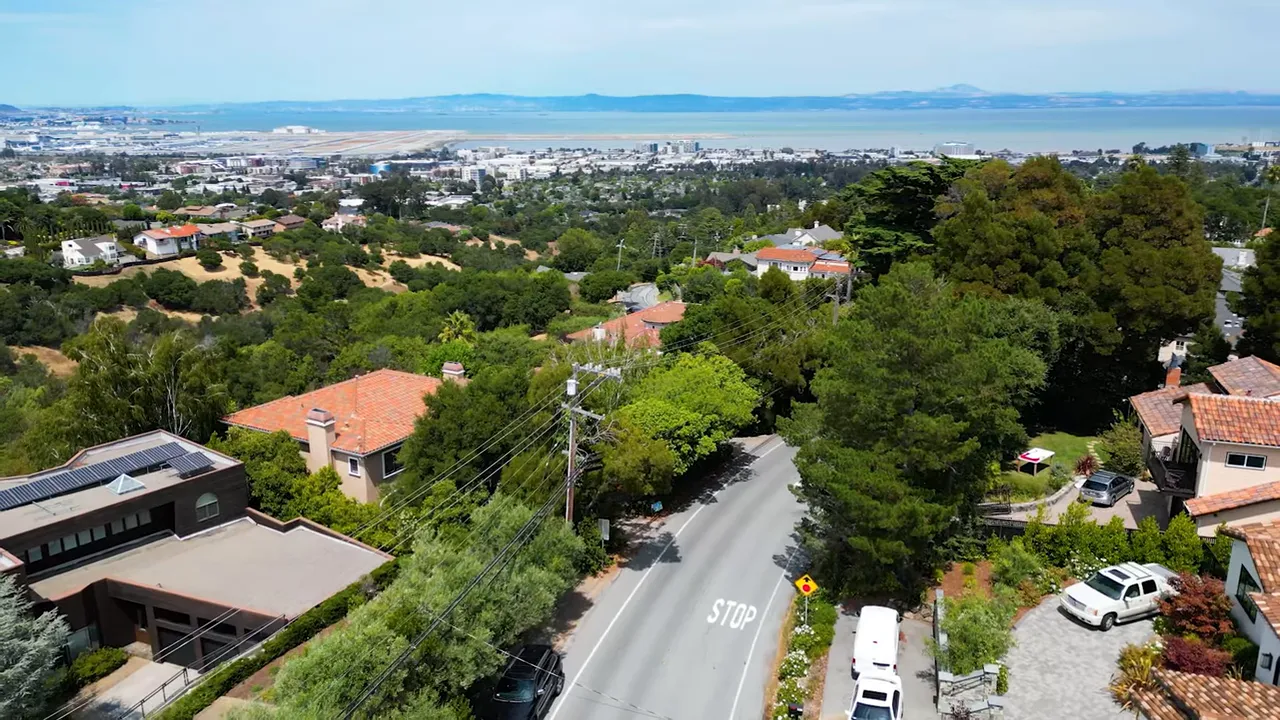
Location in San Mateo County looks great on the map, but the reality of moving here includes dealing with traffic patterns, narrow residential streets, and peak-hour slowdowns. Roads that seem straightforward in photos can feel congested during commuting hours. If you rely on driving for work or school drop-offs, give extra weight to actual travel times at 8 a.m. and 5 p.m., not just Google estimates.
Public transit helps in places, but gaps exist between neighborhoods and transit hubs. For many families, the convenience of being near schools or grocery stores outweighs living on a quieter, but less accessible, street. These are the kind of choices that matter when you are moving to San Mateo County.
Schools and Education in San Mateo County
San Mateo County is known for strong public and private schools. But excellent schools come at a price. Neighborhoods with top-ranked schools often carry the highest home values. If school quality is your primary driver, you may find yourself competing with buyers who are willing to pay a premium.
The conversation about education also ties to lifelong earning potential. Some buyers discover they must "go back to school" in the sense of upskilling, relocating work, or changing jobs to afford life here. Think of it as planning a career migration alongside a physical move. If you are moving to San Mateo County and expect your career to remain static, double-check whether your current income trajectory aligns with local costs.
Childcare, extracurriculars, and after-school logistics
Daycare slots, after-school programs, and youth sports can impact both your schedule and your budget. Families often underestimate these day-to-day costs until they arrive. Factor these into your cash flow planning before deciding that moving to San Mateo County is a realistic next step.
Lifestyle Pros and Cons: What You Gain—and What You Give Up
San Mateo County offers wonderful proximity to beaches, parks, and cultural amenities—short drives or bike rides can put you at the coast, great hiking, farmers markets, and a variety of restaurants and community events. Those lifestyle perks, however, come with tradeoffs you should plan for. In many older neighborhoods, on-street parking is limited and can be tightly controlled by permit systems; driveways and garages are often small, and guest parking can be a recurring headache. Lots in desirable areas tend to be compact, so yard sizes are smaller and outdoor space often requires creative use—rooftop decks, patios, container gardens, or shared community spaces become important. Where redevelopment and infill are happening, expect regular construction noise, dust, and temporary street closures that can last months or even years while new housing and commercial projects move through permitting and build-out.
It’s also a mistake to assume the county is homogenous. “Neighborhood” is a broad label: two blocks can feel completely different. One street might be quiet, tree-lined, and highly walkable with sidewalks and crosswalks, while a parallel street just a block over could be beside a busy arterial with heavy truck traffic, late-night noise from restaurants, or limited pedestrian infrastructure. Similarly, a short walk can take you from a family-friendly block with well-lit parks to a commercial corridor that’s lively at night but noisier and less private. Safety, walkability, and the presence of transit, nightlife, or schools all vary at a micro level.
Before you commit, take time to evaluate these micro-differences in person and on a schedule that reflects your daily life. Visit neighborhoods at multiple times—weekday mornings for commutes, evenings for nightlife and noise, and weekends for parking and local activity. Talk to neighbors, observe where cars park, and check whether streets have residential permit parking or frequent delivery trucks. Look up local planning department pages to see upcoming development projects and building permits; a quiet block today could be an active construction zone next year. Use online crime maps and traffic tools, but pair them with on-the-ground visits to get a fuller picture.
If limited yard space or parking is a concern, consider how you’ll adapt: can you convert a small side yard into usable space, pay for a garage conversion, rely more on nearby parks for play areas, or adjust household schedules to avoid peak parking demand? For noise and construction, ask sellers about recent permits, inspect homes for soundproofing and window quality, and factor potential short-term disruptions into your timeline and budget. Being realistic about these everyday tradeoffs—and proactive in researching the specific streets you’re considering—will make living in San Mateo County much more enjoyable and reduce unwanted surprises after you move.
Practical Steps if You Decide to Move to San Mateo County
If you decide that the benefits outweigh the challenges, take a plan-first approach. Below are concrete actions that will increase your odds of success and reduce buyer stress.
- Get your finances ready: Preapproval is necessary but not sufficient. Line up cash reserves for appraisal gaps, repairs, and closing costs.
- Know neighborhoods intimately: Spend mornings and evenings in the areas you like. See how noise, traffic, and parking feel in real life.
- Work with a local agent: A connected professional understands seller expectations and local quirks.
- Be realistic about concessions: Decide in advance which contingencies you can live without and which you will not waive.
- Inspect thoroughly: Older homes may look charming but often need seismic upgrades and systems work.
Negotiation strategies that actually work
Form stronger offers by making your financing and timeline clean. A flexible closing date, a realistic inspection scope, and a credible lender letter go a long way. Even in hot markets, sellers prefer buyers who are predictable and reliable. If you are moving to San Mateo County, being the predictable buyer will often beat the highest emotional offer.
Alternatives to Buying Right Away: Renting and Waiting Strategies
Buying is not the only option. Renting for a year can provide flexibility to learn a neighborhood from the inside and to build a stronger offer later. Other alternatives include purchasing in a neighboring county, looking for fixer-uppers with room for appreciation, or exploring co-buying with family members.

Each of these paths reduces immediate pressure and preserves capital while you learn whether relocating permanently to San Mateo County is the right long-term move.
When it makes sense to wait
There are sensible reasons to delay. Wait if:
- You lack a solid emergency fund after closing.
- Your job security is uncertain or your income is likely to change soon.
- You have not visited the neighborhood at different times of day.
- You have not confirmed commuting logistics for your daily routine.
If any of the above applies, bide your time. Rushing into a purchase because of FOMO is how many buyers stretch themselves thin in high-cost markets.
Evaluating Long-Term Value in San Mateo County Real Estate
Buying in San Mateo County should be a long-term decision. Real estate here rewards patience because the fundamentals are strong: employment, limited developable land, and proximity to major economic centers. If you are moving to San Mateo County, plan for a multiyear horizon to ride out market swings and to make the most of your investment.
At the same time, protect yourself with sensible contingencies and an inspection that highlights deferred maintenance or needed upgrades. Many older homes can be wonderful investments if you understand and budget for the work.
If you'd like personalized help weighing options, running the numbers, or touring neighborhoods in San Mateo County, I’m happy to assist. Call or text 650-822-7088 or email hello@burlingameproperties.com to get started — no pressure, just answers.
VIEW HOMES FOR SALE IN SAN MATEO COUNTY
Final thoughts
Moving to San Mateo County can be a life-enhancing choice, but it is not a decision to make casually. Expect fierce competition, high up-front costs, and the need for logistical planning. If the lifestyle, schools, and location align with your long-term goals, you can make it work. But if you are not mentally and financially prepared, stepping back to build readiness can save you stress and money.
FAQ's about moving to San Mateo County
How much should I expect to budget for a comfortable down payment and reserves when moving to San Mateo County?
Aim for at least 20% down if possible, plus three to six months of reserves for mortgage, taxes, and insurance. Given high home prices, many buyers also keep additional funds for appraisal gaps and immediate repairs. Budgeting conservatively reduces risk after closing.
What neighborhoods are more affordable while still being within San Mateo County?
There are pockets with relatively lower prices, but affordability is relative in San Mateo County. Look at neighborhoods that are a little farther from the Peninsula core or near transit corridors. Consider smaller homes, condos, or townhouses as entry points.
Is renting first a smart move before moving to San Mateo County permanently?
Yes. Renting for a year provides real-world experience of daily life, commute times, and neighborhood character. It also lets you save more and prepare a cleaner, stronger offer if you decide to buy later.
How competitive is the market right now?
Competition varies by neighborhood and price band, but many sought-after areas still see multiple offers and overbids. Working with an experienced local agent and having a clear plan improves your chances.
Should I be concerned about long-term appreciation if I buy in San Mateo County?
Long-term fundamentals are strong—limited land, proximity to major employers, and high demand. However, short-term fluctuations are normal. Buy with a multi-year horizon and maintain an emergency fund to weather downturns.
What are common hidden costs when moving to San Mateo County?
Expect higher insurance, potential HOA fees, utility rates, maintenance for older homes, and premium costs for childcare and extracurricular activities. Add these to your monthly budget when deciding if a move makes sense.
Moving to San Mateo County is a major life choice that blends emotion and finance. Let your values lead, but let the facts govern. If quality schools, proximity to work, and community amenities matter most and you have a solid financial plan, this county can be a great place to put down roots. If the numbers strain your peace of mind, step back, build readiness, and revisit your plan on stronger footing.
Whatever you decide, be deliberate. A thoughtful approach to relocating will save time, money, and stress. Good decisions today make for more options tomorrow.
Read More: San Mateo Neighborhoods: Hidden Gems You Should Know