If you are thinking about living in Redwood City, there is a lot to like here. We have one of the most central locations on the Peninsula, a downtown that has changed dramatically for the better, a strong job base, plenty of parks, and housing options that span from relatively attainable to truly high-end. Add in the famous weather, and it is easy to see why Redwood City keeps landing on so many home search lists.
Redwood City has long leaned into its slogan, “Climate Best by Government Test.” That nickname dates back to 1925, when the city was recognized for having some of the best weather in the world. Spend some time here and it is hard to argue. For many people considering living in Redwood City, the climate alone is a real quality-of-life upgrade.
Table of Contents
- Why Living In Redwood City Works So Well
- Location And Commute Advantages
- A City With History And Real Substance
- Downtown Redwood City Is One Of The Biggest Draws
- Parks, Trails, And Outdoor Life
- Jobs, Innovation, And Daily Convenience
- Schools In Redwood City
- What Living In Redwood City Costs
- Redwood City Neighborhoods To Know
- Is Redwood City A Good Fit?
- FAQ About Living In Redwood City
Why living in Redwood City works so well
Redwood City is not a tiny Peninsula town. It is actually one of the larger cities in San Mateo County, with about 80,000 residents, making it the third biggest city in the county. It is also the oldest incorporated city in the county, dating back to 1856.
That combination matters. Redwood City has enough size to support real amenities, a lively downtown, major employers, and a broad housing stock. At the same time, it still feels connected to the neighborhoods and rhythms of Peninsula life. For people serious about living in Redwood City, that balance is a big part of the appeal.
Location and commute advantages
One of the biggest strengths of living in Redwood City is geography. Redwood City sits in the heart of the Peninsula, which makes it incredibly practical for work, school, and getting around the Bay Area.
- About 27 miles south of San Francisco
- About 24 miles north of San Jose
- Very close to Atherton and Woodside
- Only around 6 miles from Stanford
- Just south of San Carlos
If you work in tech or anywhere along the Peninsula corridor, Redwood City tends to be one of those cities that keeps coming up because it simply makes daily life easier. Whether your job is nearby or split between different parts of the Bay Area, this central position gives Redwood City a real advantage.
Another detail people often miss is that Redwood Shores is part of Redwood City. Even though the two areas feel separate and you cannot drive between them without passing through San Carlos, they are part of the same city. That gives Redwood City more variety than many people expect.
A city with history and real substance
Redwood City has more history than many people realize. The land originally belonged to the Ohlone people, and during the Gold Rush the city developed as a port town. Today it still has the only deep-water port on San Francisco Bay south of San Francisco itself. That port remains economically meaningful, bringing in about $10 million in annual revenue.
This is one reason Redwood City feels different from some nearby communities. It is not just a residential suburb. It has an economic backbone, a working history, and a civic identity that goes beyond housing and commute patterns.
Downtown Redwood City is one of the biggest draws
If there is one area that really captures the momentum of living in Redwood City, it is downtown.
Downtown Redwood City has seen enormous growth over the last decade, arguably more than almost any other downtown in the county. One of the standout changes is Broadway, which was closed to cars during the pandemic and has stayed pedestrian-oriented. That has made the area feel more social, more walkable, and a lot more inviting.
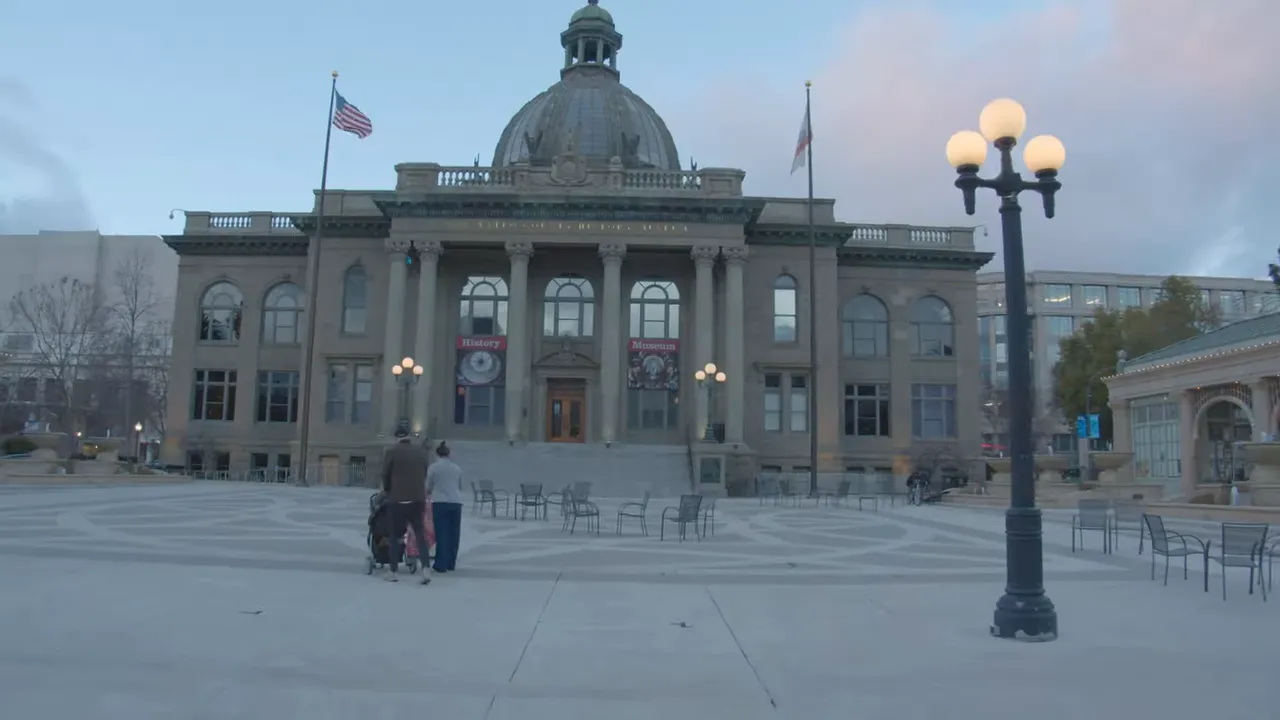
The downtown is anchored by the historic Fox Theatre, which has been there since 1929. There is also a 20-screen movie theater, and the restaurant scene is a major plus. Outdoor dining has become a big part of the experience, and it fits the city especially well given the weather.
What makes downtown Redwood City stand out is not just that it looks better than it used to. It is active. There is a regular lineup of events that gives the area real energy throughout the year:
- Music in the Park on Wednesday nights in the summer at Stafford Park
- Movies on the Square on Thursday nights, with a kids' movie at 6:00 p.m. followed by a feature film
- Music on the Square on Friday nights
- Farmers market on Saturday mornings for much of the year
- Pub in the Park three times a year, featuring microbreweries and food trucks
This is one of the clearest reasons people love living in Redwood City. You are not relying on another city for your dining, entertainment, or weekend plans. There is genuinely a lot happening right here.
Parks, trails, and outdoor life
Redwood City has 24 parks, and the variety is impressive. If your version of a great neighborhood includes playgrounds, sports fields, picnic areas, green space, and quick access to hiking, Redwood City delivers.
Red Morton Park
This is the city’s largest park and a major community hub. It includes sports fields, picnic areas, and playgrounds. The adjacent Red Morton Community Center has a gym, basketball and volleyball courts, six badminton courts, and six pickleball courts.
Hoover Park and Garrett Park
Hoover Park offers baseball fields, tennis courts, and a playground. Garrett Park has sports fields, playgrounds, and open green space. These neighborhood parks help make daily life feel easier and more active.
Stafford Park and Edgewood Park
Stafford Park is a nice place for a walk or light hike, but if you want more serious open space, Edgewood Park is the standout. With nearly 500 acres right along the edge of the city near Interstate 280 and Edgewood Road, it is one of the best outdoor assets around. The bay views from the trails are fantastic.
Pulgas Water Temple
One of the most unusual and memorable places in Redwood City is the Pulgas Water Temple off Cañada Road. Built in 1938, it commemorates the completion of the Hetch Hetchy Aqueduct, which carries water nearly 200 miles from the Sierra Nevada to Crystal Springs Reservoir. It is one of only three structures like it in the United States.
For cyclists and weekend explorers, it is a classic stop. It is also a reminder that living in Redwood City means having some surprisingly beautiful and distinctive places close by.
Jobs, innovation, and daily convenience
Redwood City is also a hub for innovation. Several major companies have a presence here, including:
- Oracle
- Electronic Arts
- Gilead
- Box
- Informatica
- Equinix
- C3 AI
That concentration of employers matters for both local jobs and overall city vitality. It helps explain why living in Redwood City appeals to so many professionals. You are close to work, close to neighboring business centers, and living in a city that has its own economic gravity.
Schools in Redwood City
For families, schools are often a big part of the decision, and Redwood City offers more variety than many people expect.
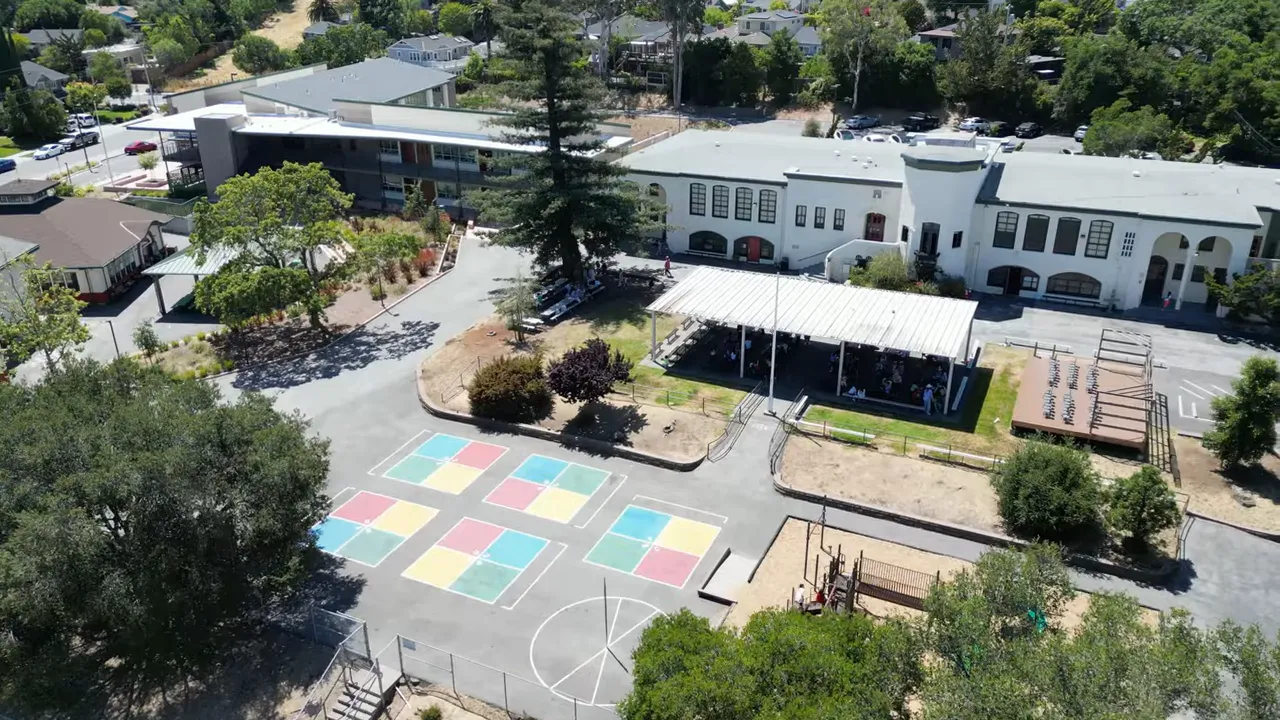
There are seven public elementary schools in Redwood City. One of them, Orion Alternative School, offers a Mandarin immersion program. Four schools, Roy Cloud, Hoover, Clifford, and Roosevelt, go through eighth grade, which is a different structure than the more typical K through 5 elementary model found in many other towns.
There are also some unusual and specialized middle school options:
- North Star Academy, which begins in third grade and continues through eighth grade, designed for high-achieving students
- McKinley Institute of Technology, serving grades 6 through 8 with an unusually low 15-to-1 student-teacher ratio
- Kennedy Middle School, which serves students born outside the United States who have been in the country less than two years
On top of that, Redwood City has three charter schools:
- Rocketship Brilliant Minds, K through 5
- KIPP Excelencia Community Prep, K through 8
- Connect Community Charter, K through 8
The city is also home to Cañada College, located on 131 acres in the western part of Redwood City. It offers hundreds of courses and more than 40 instructional programs, making it an important educational resource for the community.
What living in Redwood City costs
Real estate in Redwood City is broad enough that pricing can vary dramatically depending on neighborhood, lot size, views, and home type.
In general, homes range from about $1.4 million to $5 million. The average sales price was about $2.2 million, while the median was just under that at $2.1 million. With more than 13,000 homes in the city, that data is meaningful and gives a good sense of the market.
Here is a rough breakdown of what buyers can expect:
- Two-bedroom homes: typically start around $900,000 and can rise into the mid $1 million range
- Three-bedroom homes: roughly $1 million to more than $4 million
- Four-bedroom homes: generally start in the mid $1 million range and can climb to nearly $5 million
- Five-bedroom homes: usually begin in the upper $1 million range and can exceed $5 million
That is a huge spread, and it tells us something important about living in Redwood City. This is not a one-note market. You can find smaller homes closer to downtown, larger custom properties in the hills, and high-value neighborhoods with very different lifestyles attached to them.
Redwood City neighborhoods to know
Redwood City has eight neighborhoods, and one of the first things to decide is whether you want a flat neighborhood or a hillside neighborhood. Six are in flatter areas, while two are in the hills. That one choice can shape your daily experience more than people realize.
Edgewood Park
This is one of the most expensive and most established neighborhoods in Redwood City. It is the oldest neighborhood in the city and has only a few hundred homes. The streets are lined with mature trees, the lots are generous, and the homes have real architectural character. Many properties sell in the $3 million to $4 million range.
It sits north of Woodside Road, east of Alameda de las Pulgas, and just south of the Atherton and San Carlos area. If you like charm, mature landscaping, and a more classic feel, this is one of the standout places for living in Redwood City.
Emerald Hills
Located west of Alameda de las Pulgas and south of Edgewood Road, Emerald Hills offers some of the biggest homes in Redwood City along with sweeping bay views. Average home price is around $3 million. The streets are more winding, many streets do not have sidewalks, and the setting feels hillier and more tucked away.
For some people, that is exactly the appeal. For others, it may feel less convenient for walking.
Farm Hill Estates
Just south of Emerald Hills, Farm Hill Estates has a more organized street grid and sidewalks, which can make it feel more traditionally suburban. Many homes also enjoy strong views. Average pricing is around $2.5 million.
Clifford Heights, also known as Palomar Park
This is a tiny and highly sought-after neighborhood in the northern part of Redwood City, west of Alameda de las Pulgas. There are only 241 homes, and the average sales price is around $3.5 million. Many homes sit on large lots and exceed 4,000 square feet.
Central Park and Woodside Plaza
These are among the larger and more central neighborhoods, with more than 3,300 homes combined and an average sales price of about $2 million. The broader area is bordered by El Camino Real to the east, Alameda de las Pulgas to the west, Woodside Road to the south, and Roosevelt Avenue to the north.
These neighborhoods are often appealing for buyers who want a more classic residential setting with practical access to shopping, schools, and downtown.
Dumbarton area
This area includes Fair Oaks, Friendly Acres, Dumbarton Park, and Redwood Village. With a couple thousand homes and average pricing around $1.37 million, this is one of the more affordable parts of the city, especially compared with nearby condo pricing in some other Peninsula markets.
Mount Carmel
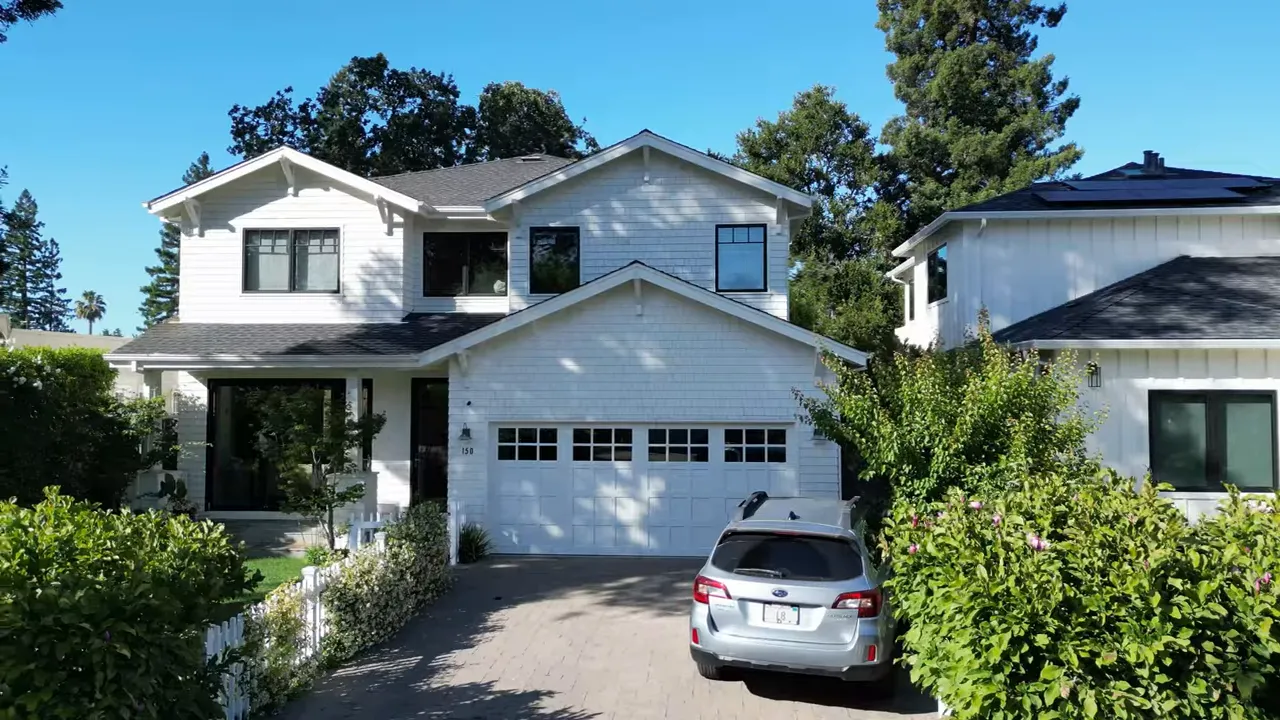
Mount Carmel is the neighborhood closest to Atherton, and average pricing is around $2.88 million. You will see a mix here, from smaller two-bedroom homes at lower price points to custom homes that sell for $3 million and up.
Lenolt
Known for the A, B, and C streets, Lenolt is Redwood City’s most affordable neighborhood, with average prices around $1.5 million. It is also close to downtown, which adds to its appeal.
When people talk about living in Redwood City, this neighborhood range is a huge reason the city attracts such a broad mix of buyers. Redwood City can feel very different block to block and neighborhood to neighborhood.
View Homes for Sale in Redwood City
Is Redwood City a good fit?
Redwood City is a great fit for people who want more than just a place to sleep between commutes. It works especially well if you value:
- A central Peninsula location
- Excellent weather
- A truly active downtown
- Access to parks, open space, and recreation
- Housing options across a wide price range
- Proximity to major employers
It also works well for people who like having choices. You can live near downtown in a flatter neighborhood, head toward the hills for views and larger homes, or target one of the more affordable pockets while still benefiting from the city’s location and amenities.
That flexibility is what makes living in Redwood City so compelling. It offers weather, convenience, character, and momentum all in one place.
Ready to explore what homes in Redwood City could look like for you? Call Raziel Ungar at 650-822-7088 to talk about your home search..
FAQ about living in Redwood City
Is Redwood City really known for having the best weather?
Yes. Redwood City has long used the slogan “Climate Best by Government Test,” a nickname dating back to 1925. The city is widely recognized for its mild, pleasant weather, and that remains one of the top reasons people consider living in Redwood City.
How far is Redwood City from San Francisco and San Jose?
Redwood City is about 27 miles south of San Francisco and about 24 miles north of San Jose. Its central Peninsula location is one of the biggest advantages of living in Redwood City.
What is downtown Redwood City like?
Downtown Redwood City is lively, walkable, and much more polished than it was a decade ago. It features the Fox Theatre, a 20-screen movie theater, popular restaurants, outdoor dining, and a regular lineup of events such as concerts, outdoor movies, and a farmers market.
Are there good parks and outdoor spaces in Redwood City?
Yes. Redwood City has 24 parks, including Red Morton Park, Stafford Park, and Edgewood Park. Edgewood Park is especially notable for its nearly 500 acres of open space and bay views. The Pulgas Water Temple is another distinctive outdoor landmark.
What kinds of homes can you find in Redwood City?
You can find a wide range, from more affordable homes in neighborhoods like Lenolt and the Dumbarton area to large custom and view homes in Emerald Hills, Edgewood Park, and Palomar Park. That range is one of the reasons living in Redwood City appeals to such a broad group of buyers.
What is the typical home price in Redwood City?
Home prices generally range from about $1.4 million to $5 million. The average sales price was about $2.2 million, with a median around $2.1 million, though exact pricing depends heavily on neighborhood, lot size, and home condition.
Is Redwood City a good place for families?
For many families, yes. Redwood City offers a range of public schools, charter schools, specialized programs, parks, community facilities, and family-friendly events. Access to recreation and educational variety makes living in Redwood City appealing for many households.
What major companies are based in Redwood City?
Major employers in Redwood City include Oracle, Electronic Arts, Gilead, Box, Informatica, Equinix, and C3 AI. This strong employment base is another key advantage of living in Redwood City.
READ MORE: Best San Mateo County Neighborhoods with Tree-Lined Streets and Higher Home Values