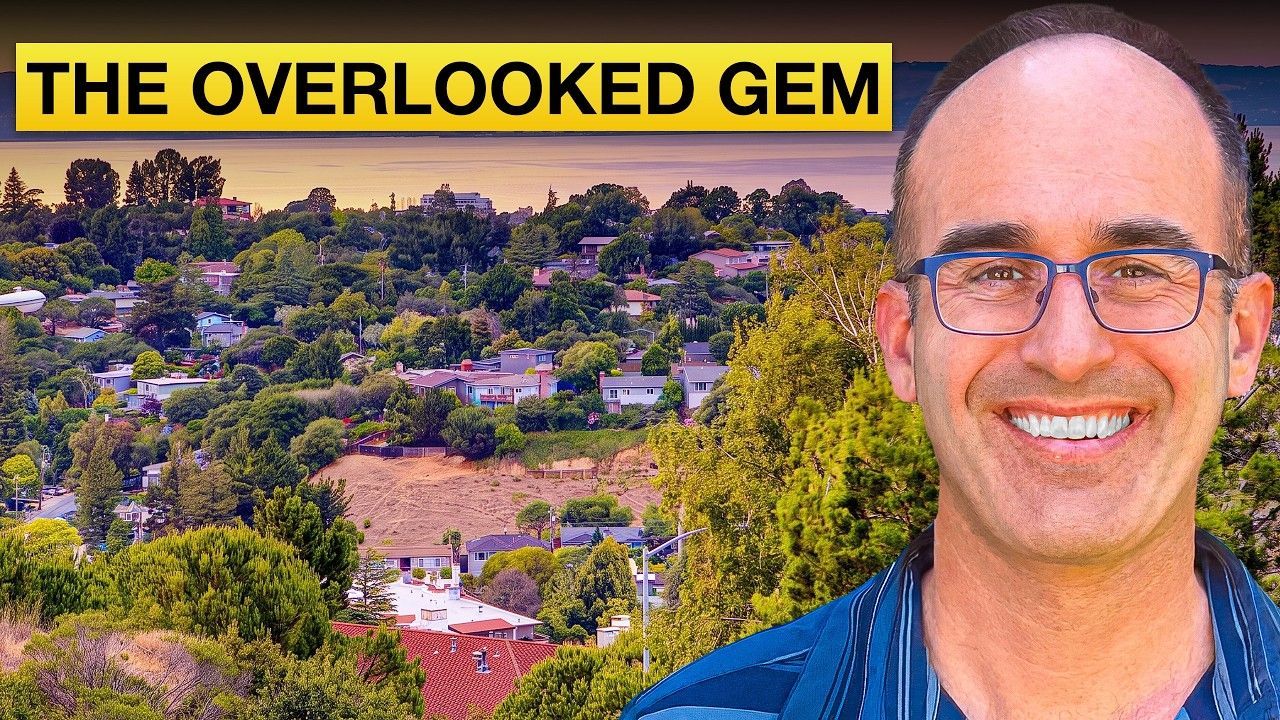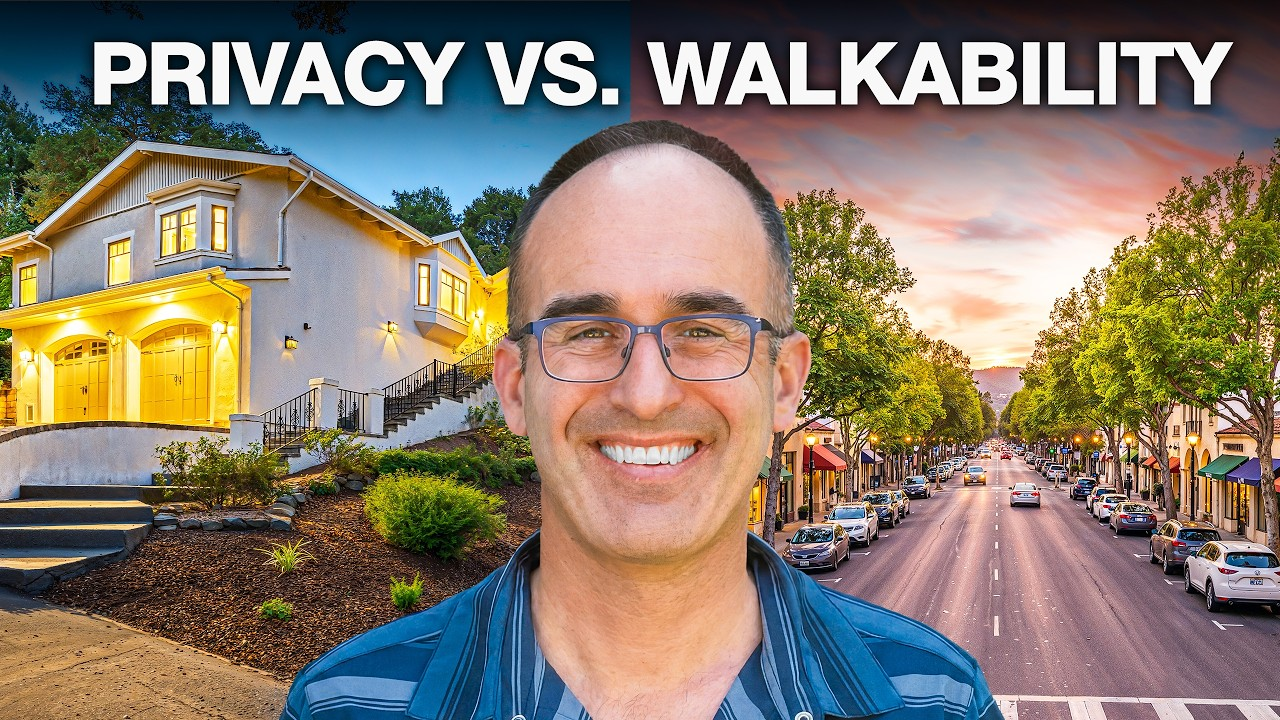

When we talk about living in Belmont, CA, the word that keeps coming up is unique. A lot of cities on the Peninsula have nice homes, good schools, and convenient commutes. Belmont has all of that too, but it feels different the minute we get into the neighborhoods. The streets wind through the hills, the trees are everywhere, the landscaping feels lush, and many homes have a sense of privacy that is hard to find nearby.
For anyone considering moving to Belmont, CA, the appeal is pretty easy to understand. We get a central location between San Francisco and San Jose, a strong public school reputation, access to parks and trails, and housing that can offer better value than some neighboring cities depending on what kind of home and lot we want.
Table of Contents
- Where Belmont sits on the Peninsula
- What makes Belmont feel so different
- Shopping and restaurants in Belmont
- Parks, trails, and outdoor life in Belmont
- Schools in Belmont
- Belmont Real estate and home prices
- Which Belmont neighborhoods cost the most
- Affordable neighborhoods in Belmont, CA
- Who Belmont is best for
- FAQs about living in Belmont, CA
Where Belmont sits on the Peninsula
One of the biggest advantages of living in Belmont, CA is location. Belmont sits roughly halfway between San Francisco and San Jose, which makes it practical for people commuting north or south. It is bordered by San Mateo to the north, Redwood Shores to the east, San Carlos to the south, and Interstate 280 to the west.
That central placement is helpful, but the geography is what really shapes the town. Belmont is a hillside city. Because of that, it does not feel flat, gridded, or overly polished in the way some neighboring communities do. It feels more tucked away.
What makes Belmont feel so different
The biggest thing that sets Belmont apart is the terrain. The hills create winding roads, elevation changes, and pockets of homes surrounded by mature trees. In many areas, we do not get sidewalks. We also do not get many streetlights. That gives Belmont a quieter, woodsy feel, but it also means the streets can feel less conventional than in nearby towns.
For some people, that is exactly the point. They want privacy, greenery, and views. For others, a flatter city with sidewalks and a more classic suburban layout may be a better fit.
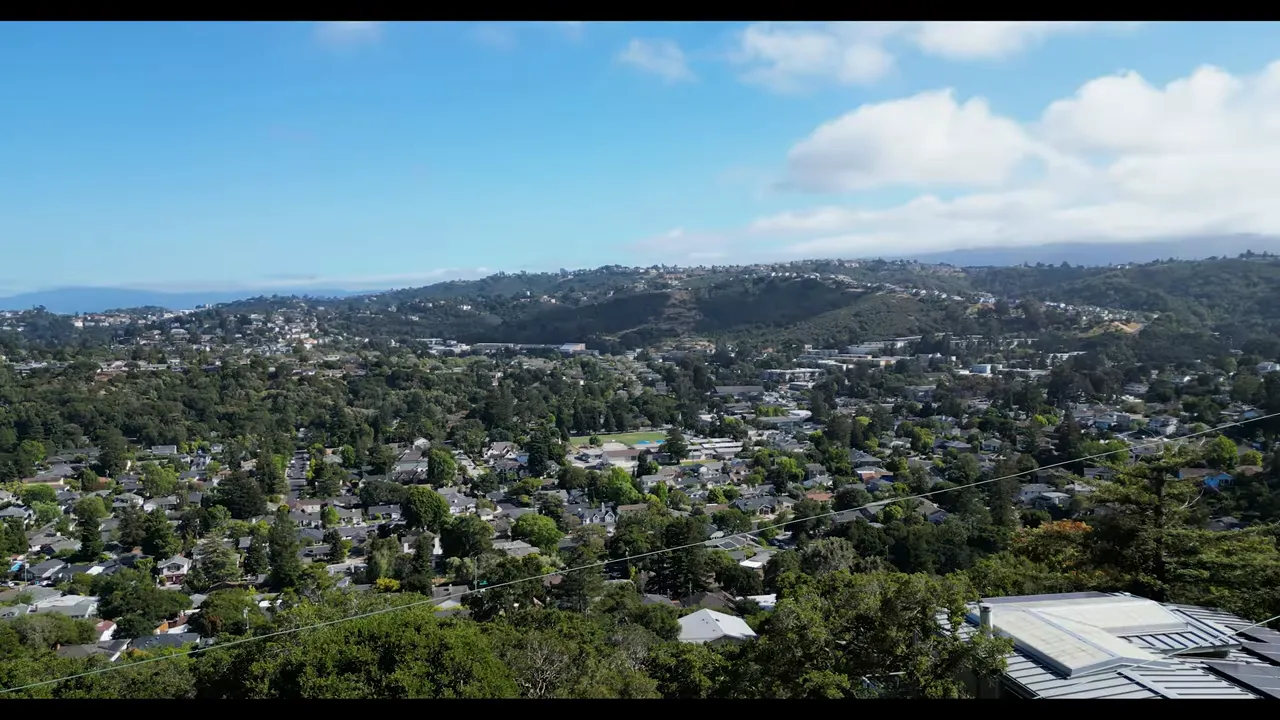
There are a couple exceptions. Belmont Woods and the Hallmark area near 280 and Highway 92 are more likely to have sidewalks, and the Homeview neighborhood near 101 also has them. The city has also updated standards so that newly built homes are expected to include sidewalks.
That mix is part of what defines living in Belmont, CA. It is not trying to be a perfect downtown suburb. It is more natural, more layered, and a little less predictable.
Shopping and restaurants in Belmont
Belmont does not really have a classic downtown the way San Carlos, Burlingame, or San Mateo do. If we want a long date-night strip with lots of storefronts and places to wander, Belmont is not really built around that. The tradeoff is that those neighboring downtowns are close by, so Belmont residents can still access them easily.
Within town, there are two main shopping areas worth knowing.
Carlmont Village Shopping Center, at Ralston and Alameda, has around 45 shops and restaurants. It includes everyday useful spots like a bike shop, a hardware store, and Lunardi's, which is a well-regarded local grocery store known for quality.
The other main area is Belmont Village at Ralston and El Camino. This one has a Safeway, a few restaurants, and one especially well-known stop: Slice House Pizza.
That pizza spot gets special attention for good reason. It is tied to a world champion pizza maker, and it has the kind of reputation that makes it more than just a neighborhood quick stop.
Two other local food mentions stand out. Falafelle is a casual Mediterranean option on Ralston, and Iron Gate is a longtime more formal restaurant that has been around since the 1950s, serving French and Italian-influenced dishes in a classic white-tablecloth setting.
Parks, trails, and outdoor life in Belmont
If outdoor access matters, living in Belmont, CA has a lot going for it. The city has 14 parks spread across only five neighborhoods, which is impressive for a town of this size. The geography helps here too. Belmont has a huge canyon running through it, and that gives the whole place a relaxed leafy character.
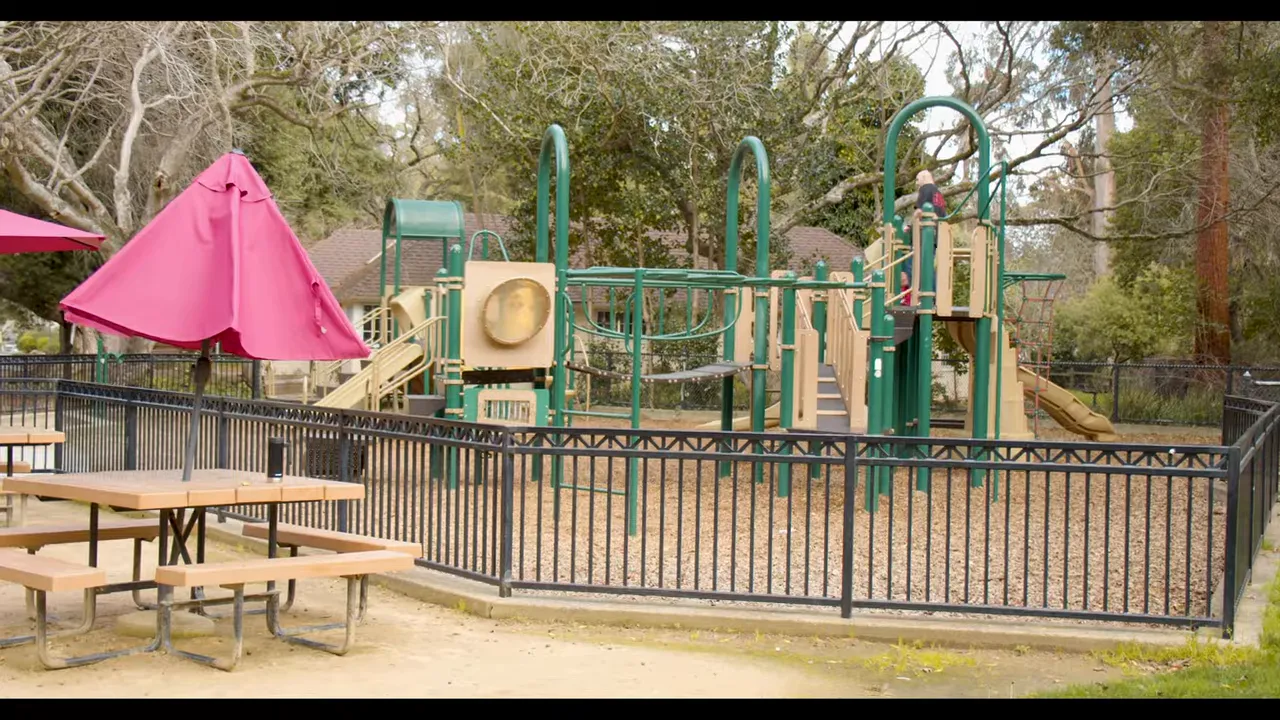
One of the best-known community gathering spaces is Twin Pines Park. It has a creek, picnic areas, shady spots, and short walking paths. It is also home to the Belmont Historical Society Museum, the parks and recreation department, and the senior and community center. It is one of those places that quietly does a lot for the town.
For hiking, the standout is Waterdog Lake. This is a favorite local trail area with several miles of paths used by walkers, hikers, and mountain bikers. Even though homes line parts of the perimeter, once we are in the trails it can feel surprisingly removed from the surrounding neighborhoods.
The name comes from a local salamander species, which feels fitting for a place so tied to open space. Other popular outdoor areas include Hidden Canyon Park and San Juan Canyon.
There is also a different kind of recreation option in Belmont that people know well: Movement, the climbing gym formerly called Planet Granite. It is the largest indoor climbing gym on the Peninsula and offers more than 19,000 square feet of climbing space with walls reaching around 45 feet high.
Schools in Belmont
Schools are a major reason people look into living in Belmont, CA. Belmont has a strong reputation for public schools and that matters a lot in the local housing market.
The public system includes:
- Four elementary schools
- One middle school
- One high school
The elementary schools are Central, Cipriani, Fox, and Nesbit. Ralston serves as the middle school, and Carlmont is the local high school, drawing students from Belmont and part of north San Carlos.
Belmont also has several private school options, including Notre Dame Elementary, Immaculate Heart of Mary for pre-K through 8th grade, Notre Dame High School for girls, and Serendipity School.
Belmont real estate and home prices
Real estate is where the nuances of living in Belmont, CA really show up. Belmont has about 6,500 homes. In general, homes range from about $1.6 million to more than $4 million. The average sale price in the period discussed was about $2.2 million, with the median right around $2.19 million.
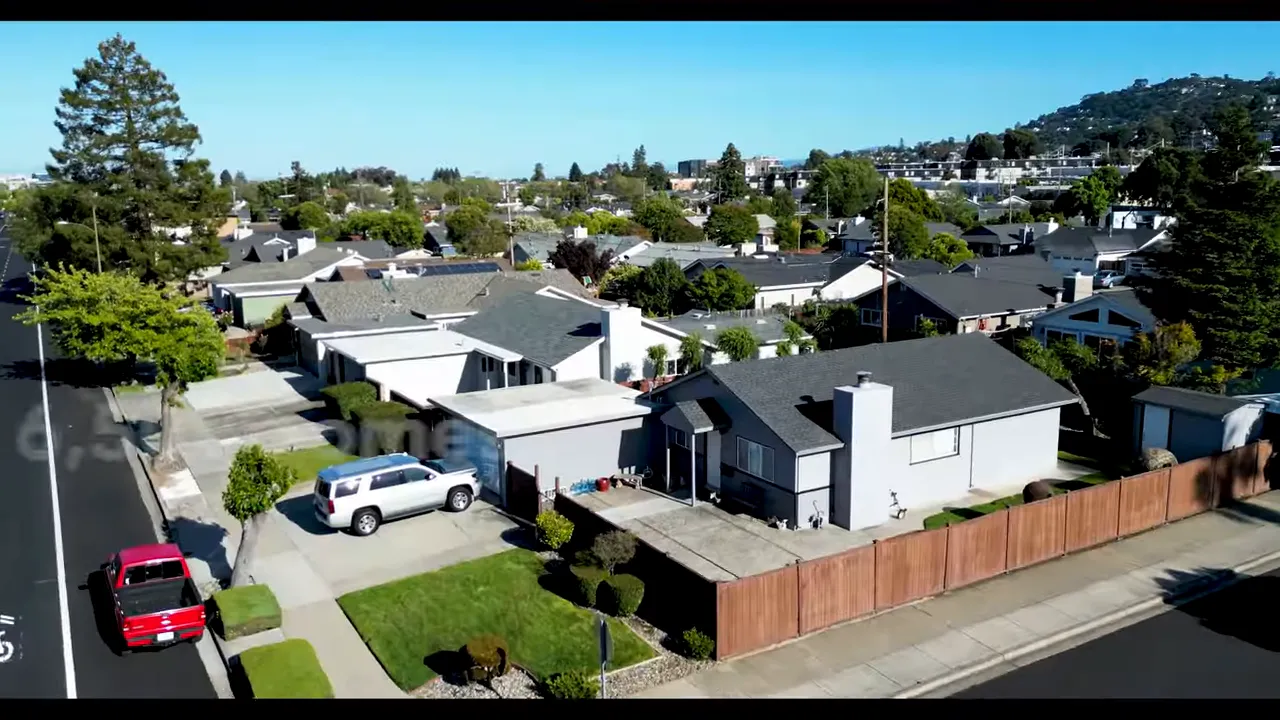
But broad pricing only tells part of the story. In Belmont, topography matters a lot. A flatter lot can command a huge premium over a similar home on a steeper hill. In some cases, pricing differences can easily reach half a million dollars to a million dollars or more based largely on the shape and usability of the lot.
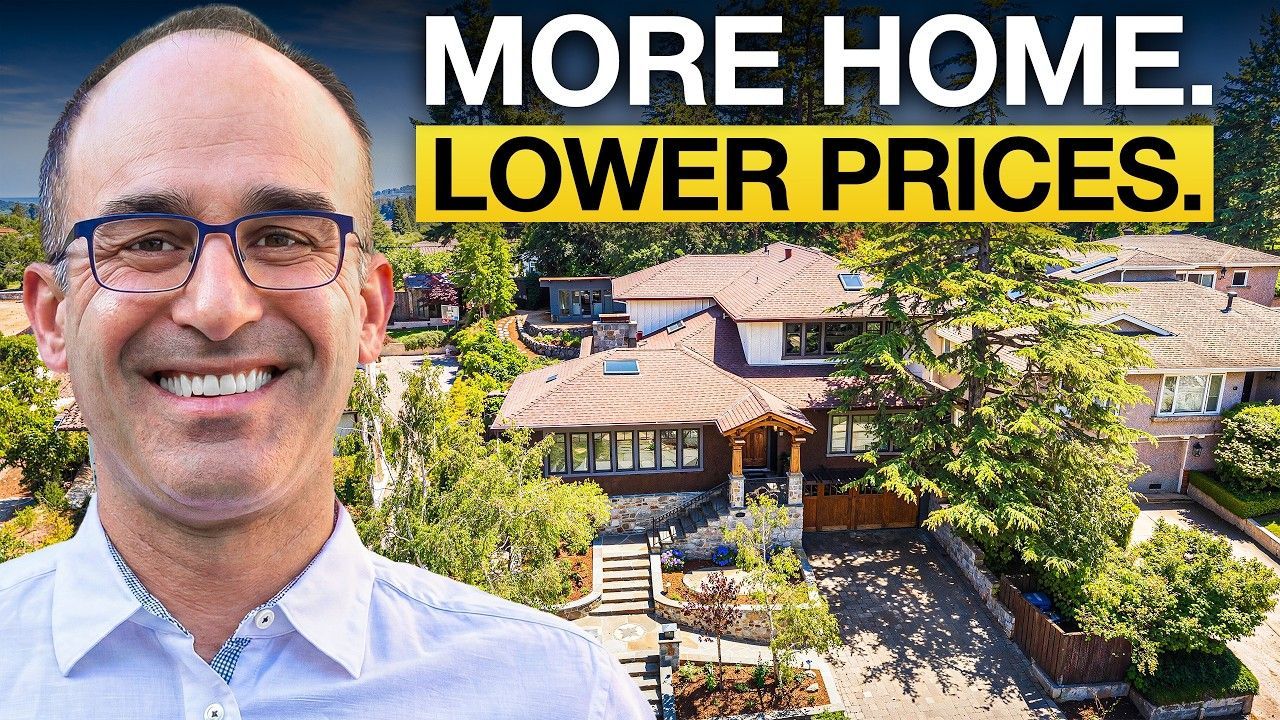
That is because many homes here are built on slopes. We might find a house where the garage, main living space, and yard are on different levels. Some buyers love the views and the architecture that come with hillside living. Others strongly prefer a home where the kitchen and family room open directly to a flat backyard.
Which Belmont neighborhoods cost the most
If the goal is a flatter lot, larger yard, sidewalks, and more conventional neighborhood layout, Belmont Woods and Hallmark are at the top of the list. These areas sit near the top of the hill by Ralston and 280, where the terrain levels out more than in other parts of town.
That plateau-like setting allows for larger lots, more standard sidewalks, and homes with great indoor-outdoor flow. Some of the higher-end homes here are over 3,000 square feet, sit on roughly 10,000 square foot lots, and have expansive Bay views.
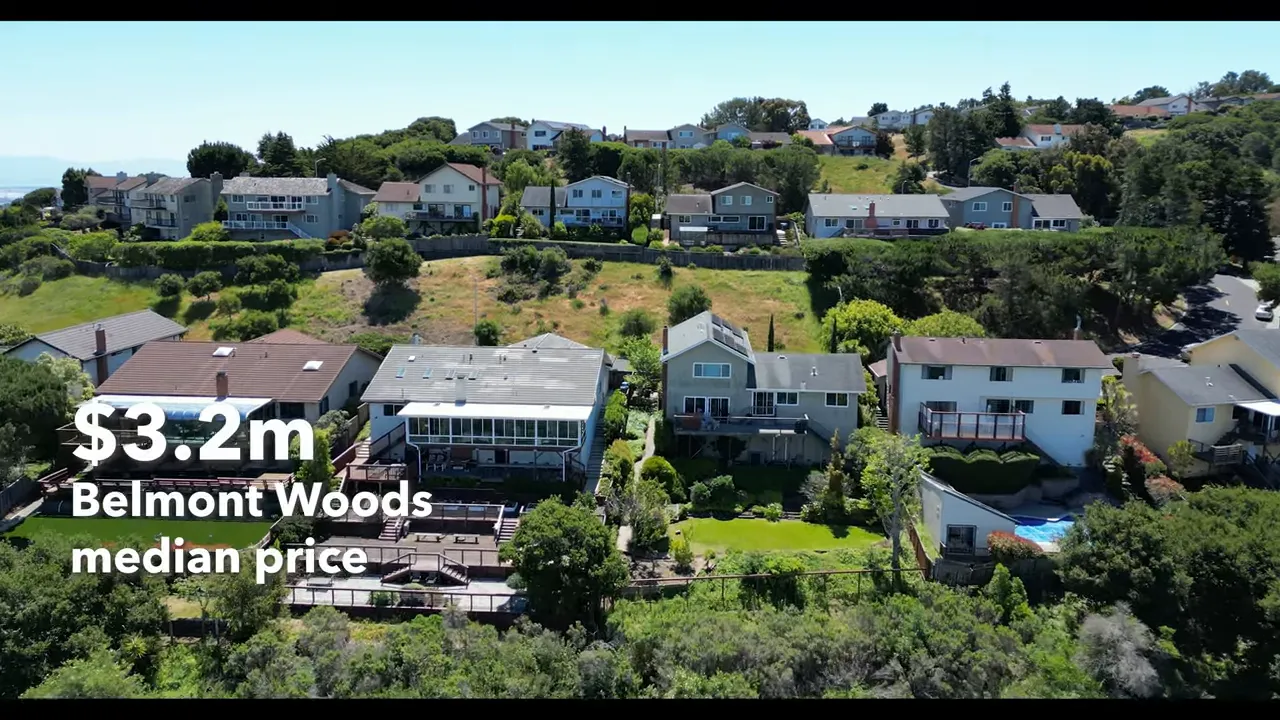
Belmont Woods had a median sale price around $3.2 million in the period discussed, making it the most expensive neighborhood in Belmont and one of the pricier pockets on the Peninsula overall. It also benefits from being close to Waterdog Lake.
Affordable neighborhoods in Belmont, CA
On the more affordable end, Homeview and Sterling Downs are the places to know. Homes there generally start around $1.3 million and can go up to about $2 million. Many are single-level ranch-style homes with practical floor plans.
Other neighborhoods like Haskins Estates and Carlmont tend to land more in the mid $2 million range on average. Once we get into homes priced at $3 million and above in those areas, we are typically looking at larger properties, often with four bedrooms, open layouts, and that all-important yard on the same level as the house.
If condos or townhomes are the better fit, there are a couple notable options. The Belmont on Davey Glen is an older condo building where prices generally range from about $550,000 to the mid $800,000s. On the townhome side, the Live Oak Way complex stands out for newer construction and more modern floor plans.
Who Belmont is best for
Living in Belmont, CA tends to work especially well for people who want a quieter residential feel, a lot of greenery, strong schools, access to hiking, and a location that still keeps the rest of the Peninsula close. It is a city for people who like character and are comfortable with a little topography.
If we want a lively downtown right outside the front door, Belmont may not be the ideal match. If we want privacy, trees, views, and neighborhoods that feel tucked into the hills, Belmont gets very compelling very quickly.
Ready to explore Belmont and see what homes (and neighborhoods) fit your lifestyle? Call or text 650-822-7088 for a quick chat, or email hello@burlingameproperties.com to get started.
FAQs About Living in Belmont, CA
Is Belmont a good place for commuters?
Yes. Belmont sits roughly midway between San Francisco and San Jose, making it convenient for commuters heading in either direction.
Does Belmont have a traditional downtown?
Not really. Belmont has useful shopping centers, but it does not have the classic walkable downtown district found in some nearby Peninsula cities.
What is the biggest factor in Belmont home values?
Lot topography is a major factor. Flatter lots and yards on the same level as the main living space often command a substantial premium.
What are home prices like in Belmont?
Single-family homes generally range from around $1.6 million to above $4 million, while condos can start around $550,000 depending on the complex.
What makes living in Belmont, CA appealing?
The combination of hillside privacy, mature trees, strong schools, abundant parks, outdoor recreation, and central Peninsula location gives Belmont a feel that is hard to replicate nearby.