Table of Contents
- Introduction
- A Closer Look at Foster City’s Waterways, Lagoons, and Kayaking Spots
- Parks, Recreation, and Everyday Community Life in Foster City
- Major Investments: New Recreation Center & Growing Infrastructure
- Foster City’s Mixed-Use Hubs, Shops, and Local Amenities
- Exploring the Bay Trail
- Dog Parks, Dragon Boats & Weekend Living in Foster City
- Foster City Real Estate Snapshot
- Smart Buyer Tips: How to Understand Value in Foster City
- Foster City FAQs: What Future Buyers Need to Know
- Final thoughts
Introduction
Foster City is one of those places people often drive by on 101 without really knowing what they are missing. It is a planned, waterfront community on the San Francisco Peninsula that blends modern floor plans, surprisingly diverse housing options, and an extraordinary public realm made up of lagoons, wetlands, and 24 parks. If you love outdoor life, low-maintenance modern homes, and easy access to both everyday conveniences and major employers, Foster City deserves a serious look.
Foster City was incorporated in 1971 and is one of the newest towns on the peninsula. It was built on engineered fill carved out of the bay and intentionally master planned to be both residential and functional. That planning shows up in practical ways: modern floor plans, attached two-car garages as the norm, underground utilities, and a very deliberate network of parks and waterways.
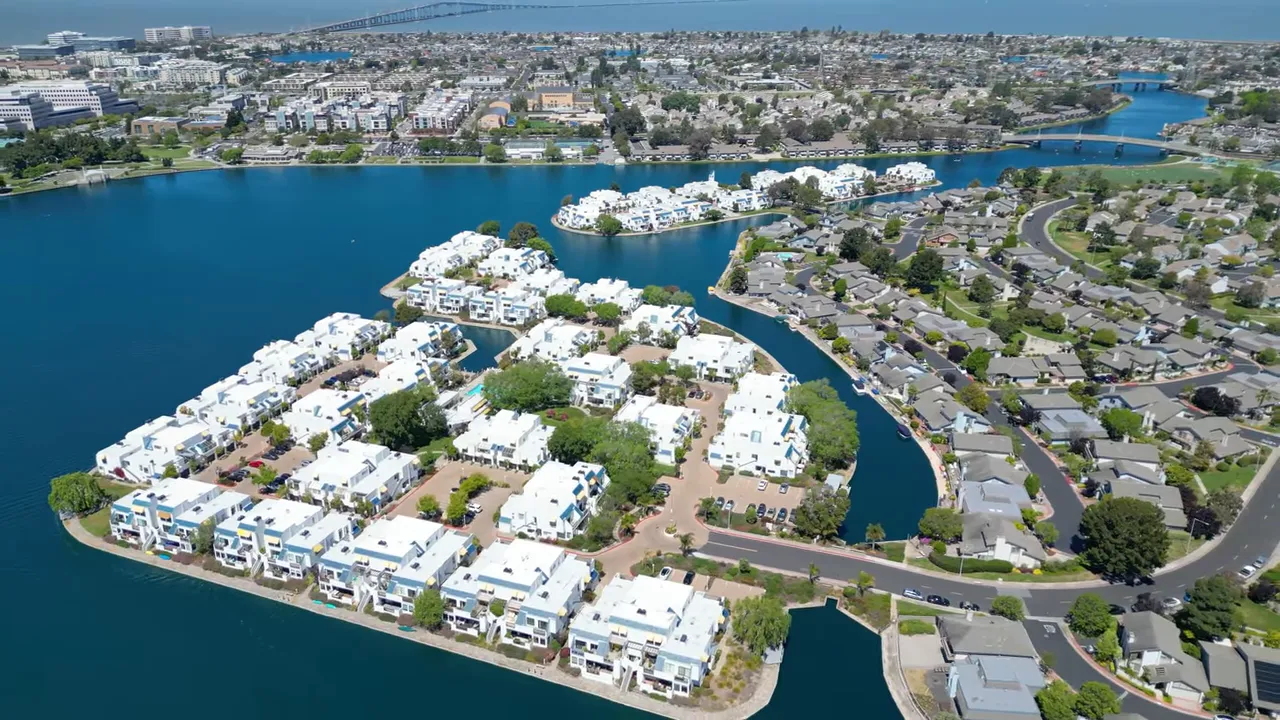
A Closer Look at Foster City’s Waterways, Lagoons, and Kayaking Spots
Water is a defining feature of Foster City. The town has over 18 acres of waterways woven into its street grid. These lagoons were originally engineered for stormwater management, but they also double as playgrounds for kayaks, paddle boards, and electric boats. It is genuinely possible to buy a home that backs up to a lagoon and paddle to a nearby office or launch point.
A visual quirk you’ll notice in many lagoons is the vivid, glassy color of the water. That color comes from a non-toxic dye added to help prevent algae growth and give the lagoons a cleaner look. On a sunny day, it makes the whole town feel calm and almost Mediterranean.
Parks, Recreation, and Everyday Community Life in Foster City
Foster City has 24 parks and more parks per capita than any other town on the peninsula. That is not marketing speak; it is a real advantage if you care about open space, sports fields, playgrounds, and places to meet neighbors. Parks range from intimate neighborhood green spaces to large athletic complexes with multiple fields.
Leo J. Ryan Park is a great example: a popular gathering spot, a stage for performances, and the place for fireworks on July 4th. You’ll find people practicing tai chi in the morning, yoga on the grass, grandparents playing with kids, and kayakers slicing across the glassy lagoon.
Major Investments: New Recreation Center & Growing Infrastructure
Investment in public infrastructure is visible across Foster City. A major project scheduled to open in 2026 is a new recreation center — a roughly $61 million, 40,000 square foot facility designed to serve every age group. Plans include a teen lounge, a senior center, fitness rooms, multiuse meeting spaces, and even bocce or lawn bowling areas plus gardens along the lagoon.
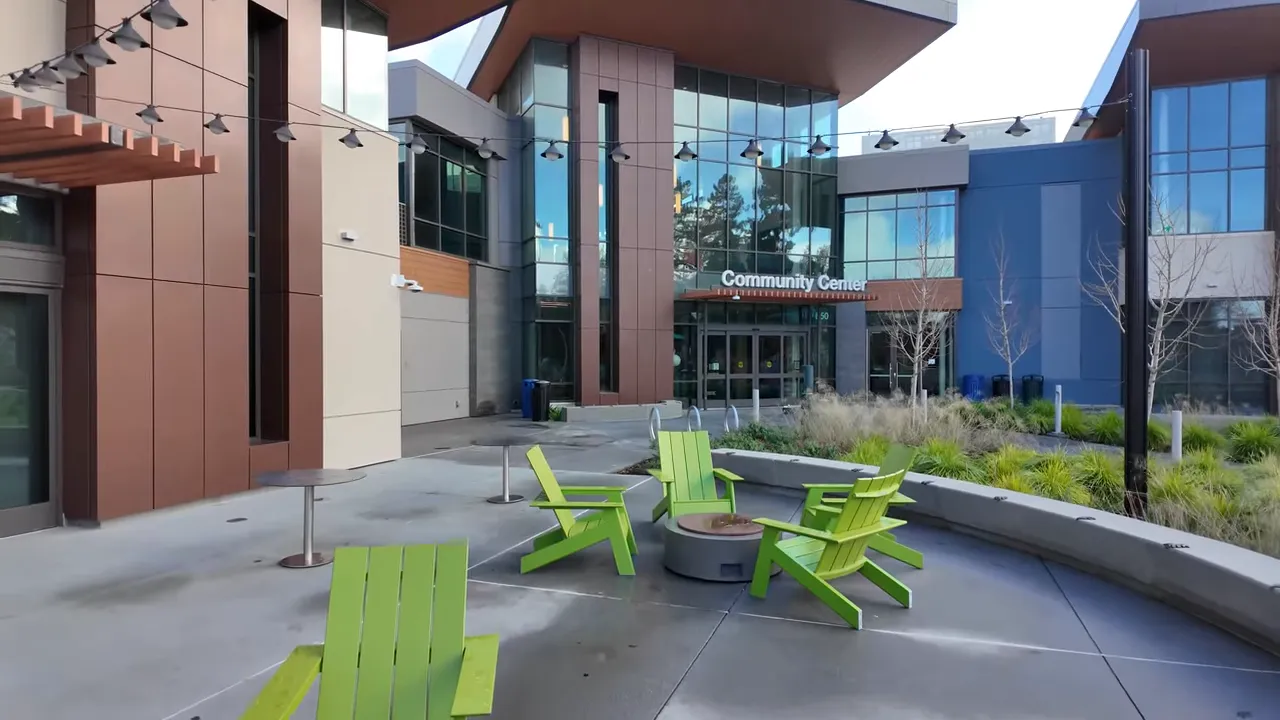
This type of spending reflects long-term planning. In recent years the city also moved forward with a significant bay trail and levee improvements to address flood risk and sea level rise. Those efforts were funded with a bond and careful planning rather than leaving homeowners to shoulder uncertain flood insurance premiums.
Foster City’s Mixed-Use Hubs, Shops, and Local Amenities
Foster City is not just houses and lagoons. It is a practical town with a grocery run, home improvement stores, and corporate presence. The Peninsula Jewish Campus and Foster Square are local anchors. Foster Square is a mixed-use development with condos, affordable apartments, senior living units, and a handful of shops and cafes. That compact walkable center gives the town a sense of community that you don’t always get in purely residential suburbs.
Exploring the Bay Trail
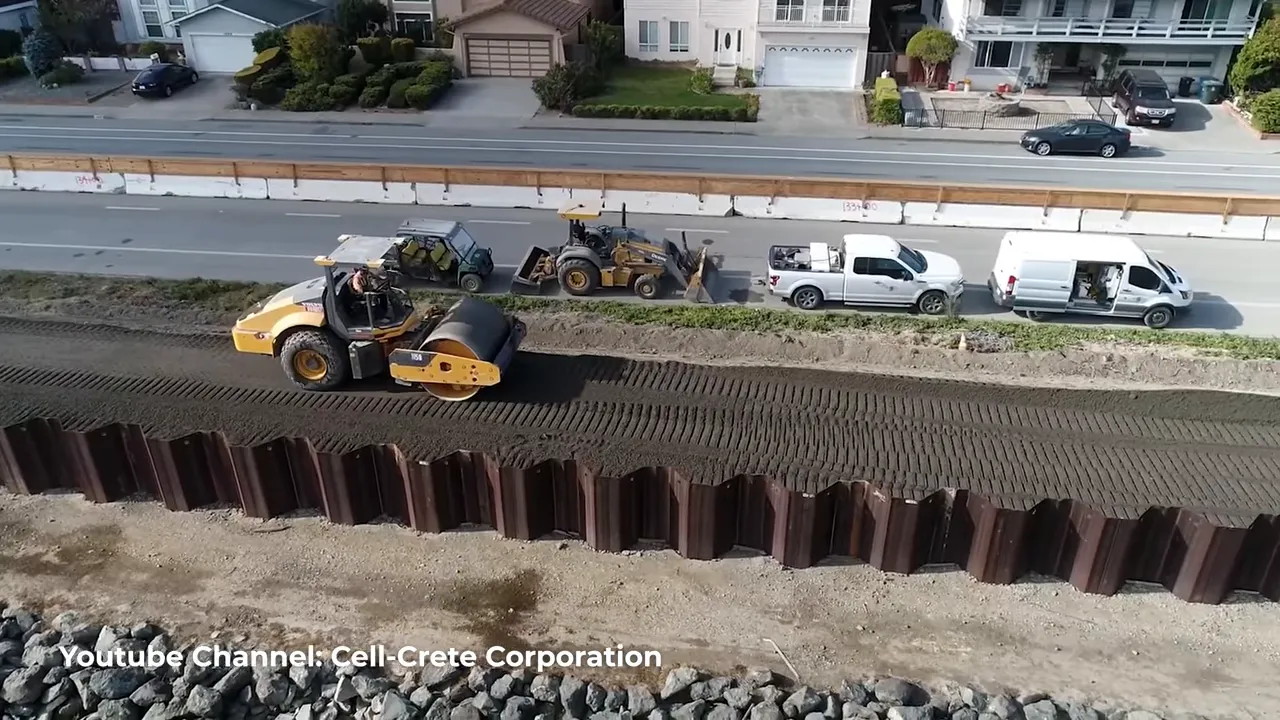
The Bay Trail around Foster City received a major upgrade recently. The revitalized trail is roughly a $90 million investment that improves access around the perimeter of the town and upgrades levees. For cyclists and walkers, it’s an uninterrupted route connecting Foster City to neighboring Redwood Shores and other peninsula destinations without stoplights or cross traffic.
The levee and trail project also served a strategic purpose. When federal maps threatened to increase flood insurance requirements, the city chose to raise and improve the perimeter protection instead. That approach spread the costs through a bond and reduced the potential blow to homeowners’ annual budgets while protecting property values long term.
Dog Parks, Dragon Boats & Weekend Living in Foster City
Boat Park is where community life meets the water. The dog park here is one of the few turf dog parks on the peninsula, making it a favorite even when the weather is wet. Boat Park is also home to the Bay Area Dragons — a dragon boat club that runs free lessons and hosts competitive sprints. On a Saturday morning you can see kayaks, dragon boats, and paddlers training for races, and in October the Bay Area Dragon Boat Sprints draw a lively crowd with food trucks and teams from across the region.
There are also skate spots, pickleball courts, and fields for baseball and soccer. Pickleball in particular has taken off; it is common to find all courts in use on a weekday afternoon. The combination of amenities across parks, along the shore, and in small plazas gives Foster City an active, neighborly, family-friendly vibe.
Foster City Real Estate Snapshot
Foster City’s housing mix reflects its master planned roots. You will find single family homes, townhouses, and condos across a range of price points. The layout and floor plans tend to be newer and more modern than many established towns west of 101.
Here is a snapshot of the market:
- Single family homes: Median price around $2.2 million year to date. Sales have ranged from just under $1 million at the low end to about $3.7 million at the top end. Homes often feature modern floor plans, higher ceilings, second story laundry, and two-car attached garages.
- Townhomes: Median pricing approximately $1.44 million. Sizes can reach 1,700 square feet in some complexes. The townhome market is a solid entry point for buyers who want something newer and lower maintenance than an older single family home west of 101.
- Condos: Price ranges from roughly $600,000 to $1.9 million, with a median around $1.1 million. Waterfront views and condition are the biggest price drivers.
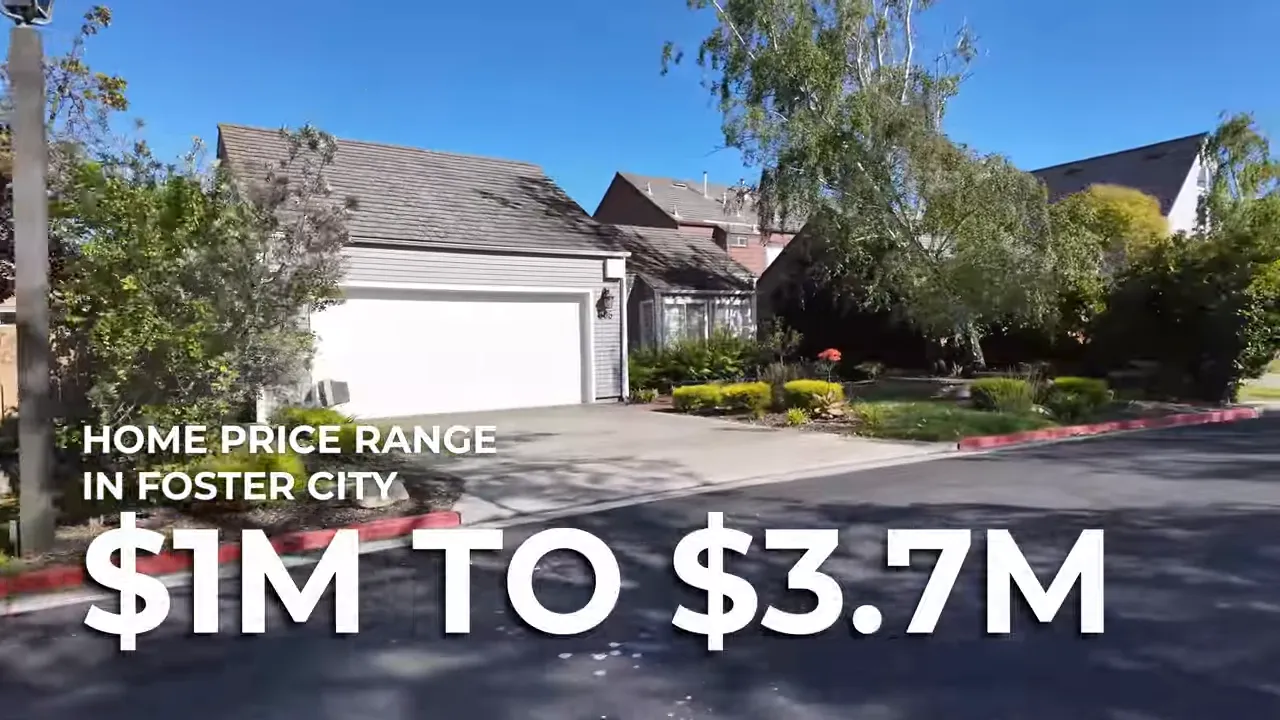
One metric that stands out is price per square foot. Foster City averages around $1,100 per square foot for single family homes, which can be more attractive than nearby towns where per square foot prices can be significantly higher. That relative affordability is one reason families, first-time buyers, and downsizers all find Foster City appealing.
Smart Buyer Tips: How to Understand Value in Foster City
If you are considering Foster City, here are practical considerations to guide your search:
- Prioritize location by lifestyle. Waterfront properties command premiums, but if your priority is parks and daily convenience, living one block from a major park or Foster Square may deliver more daily value than a distant waterfront unit.
- Understand school patterns. Foster City has strong K–8 public schools, but no public high school within city limits. Students typically attend high school in neighboring districts. If high school placement matters, plan accordingly.
- Check flood and levee updates. While the city has invested in levee upgrades and trail improvements, buyers should review the latest flood maps and local mitigation projects. These investments are designed to address sea level rise and reduce long-term insurance exposure.
- Compare price per square foot. Foster City often offers newer floor plans and modern conveniences for less per square foot than many towns west of 101. For buyers seeking newer systems and less maintenance, that can translate to long-term savings.
- Factor in commute options. The town sits close to major employers and has a corporate presence, but if a daily commute to San Francisco is in your plan, account for 101 and 92 traffic. Kayaking to work is a charming niche option for very specific locations and workplaces.
VIEW HOMES FOR SALE IN FOSTER CITY, CA
Foster City FAQs: What Future Buyers Need to Know
Can you actually kayak to work in Foster City?
Yes, the lagoon system makes it possible from some waterfront homes and launch areas. Many people use kayaks and paddleboards for recreation and short commutes to nearby offices or Lagoonside parking areas. Note that larger motorized water sports like wakeboarding are generally not allowed in most Foster City lagoons.
How many parks does Foster City have and why does that matter?
Foster City has 24 parks and the highest parks per capita ratio on the peninsula. That matters because it provides more green space, athletic fields, dog areas, and recreational amenities for residents compared to many neighboring towns.
Is Foster City at risk of flooding and what is the city doing about it?
Foster City sits on engineered fill and faces long-term sea level rise concerns. The city has invested in levee upgrades and an improved Bay Trail funded by a bond to reduce flood insurance exposure and protect property values. Prospective buyers should review current FEMA maps and local mitigation plans when evaluating properties.
What kind of housing options are available and what do they cost?
Housing options include single family homes, townhomes, and condos. Median single family prices are roughly $2.2 million; townhomes around $1.44 million; condos median close to $1.1 million. Prices vary by size, condition, and whether the unit has a water view or desirable street placement.
Are there good local amenities like grocery stores and fitness centers?
Yes. Foster City includes practical amenities such as nearby big box stores and a local mixed-use center with shops and cafes. The Peninsula Jewish Campus and a large athletic center provide fitness and community programming, and a new recreation center is slated to open to expand those options.
Final thoughts
Foster City is a unique Peninsula community that combines modern home designs, robust park access, and waterfront living in a thoughtfully planned setting. Whether you are a family with kids, a retiree seeking low-maintenance living, or a buyer who values outdoor activity and modern conveniences, Foster City offers compelling options. The town’s investments in shoreline protection, a new recreation center, and a strong park system suggest a community that plans for the long term.
If quality of life is defined by access to green space, practical modern housing, and a strong sense of neighborhood, Foster City is worth a closer look.
Read More: San Mateo County's Highest EVER Median Price: $1.93M (Here's Why)